








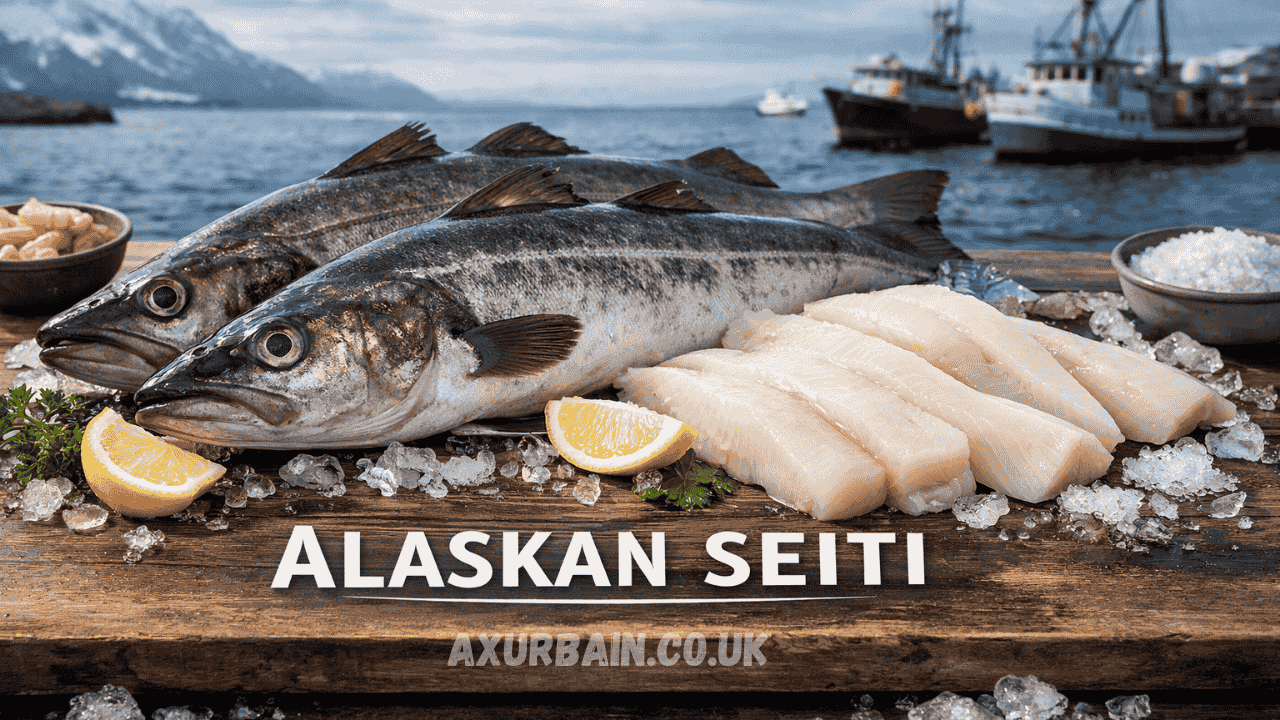
Most people have eaten alaskan seiti without realizing it. It shows up in frozen fillets, fast food sandwiches, and even imitation crab sticks, yet the name rarely appears on packaging in a clear way. This fish plays a quiet but massive role in the global seafood industry, especially because of its affordability and versatility. Understanding alaskan seiti helps you see how modern seafood supply chains actually work. It also reveals why this single fish species feeds millions of people every day.
what alaskan seiti actually refers to
Alaskan seiti is another name commonly used for Alaska pollock, a fish that belongs to the cod family. It is not a separate species, even though the name may suggest something unique or regional. The fish has a scientific name, Gadus chalcogrammus, and it shares many characteristics with cod, including its mild taste and flaky texture. Because of naming differences across countries, alaskan seiti can also appear under completely different labels in markets.
The confusion around alaskan seiti often comes from translation and commercial naming practices. In Europe, the same fish might be sold under names that sound unrelated, which makes it harder for consumers to connect the dots. Food companies sometimes prefer names that sound more appealing or familiar to buyers. That is one reason why alaskan seiti is widely consumed but not widely recognized by name. Once you understand the naming system, the picture becomes much clearer.
where alaskan seiti is found and how it lives
Alaskan seiti is primarily found in the cold waters of the North Pacific Ocean. Its largest populations exist in the Bering Sea, along the coast of Alaska, and near Russia and Japan. These fish prefer deep, cold environments and tend to move in large schools. This behavior makes them easier to catch in large quantities, which supports industrial-scale fishing.
The lifecycle of alaskan seiti is closely tied to ocean conditions. Temperature, food availability, and seasonal patterns all influence how the fish grows and migrates. Fishermen often track these movements carefully to maximize their catch. Because alaskan seiti travels in dense groups, fishing operations can harvest significant volumes in a short time. This efficiency is one reason the species dominates global seafood markets.
why alaskan seiti is one of the most harvested fish in the world
Alaskan seiti ranks among the most heavily fished species on the planet. Each year, millions of tons are harvested to meet global demand. The fish is especially popular because it is affordable to catch, easy to process, and widely accepted by consumers. Its mild flavor makes it suitable for a wide range of products.
There are several reasons behind its massive scale:
- it grows in large populations, making it reliable for commercial fishing
- it has a neutral taste that appeals to many people
- it adapts well to processing and freezing
- it is cheaper compared to premium fish like salmon or tuna
Because of these advantages, alaskan seiti has become a backbone of the seafood industry. Many countries depend on it as a stable source of protein. Without it, the supply of low-cost seafood would shrink significantly.
taste, texture, and cooking uses
One of the biggest strengths of alaskan seiti is its mild and clean taste. It does not carry a strong fishy smell, which makes it easier for people who are not regular seafood eaters to enjoy it. The flesh is white, soft, and flakes easily when cooked. This texture works well in both simple home recipes and industrial food production.
Alaskan seiti can be prepared in several ways:
- frying for crispy fillets or fish sandwiches
- baking with herbs and spices for a lighter meal
- adding to soups and stews for extra protein
- using in processed foods like fish fingers
Because it absorbs flavors easily, alaskan seiti adapts to different cuisines. Whether it is seasoned for Western fast food or Asian-style dishes, it performs consistently. That flexibility is a key reason for its popularity worldwide.
nutritional value and health benefits
Alaskan seiti offers a strong nutritional profile despite being inexpensive. It is rich in protein, which supports muscle growth and overall body function. The fish also contains omega-3 fatty acids, which are linked to heart health. Compared to fatty fish, it has lower fat content, making it suitable for people watching their calorie intake.
Regular consumption of alaskan seiti can provide several benefits. It supplies essential nutrients without adding excessive calories to the diet. It is also a practical option for families looking for affordable, healthy meals. Since it is widely available in frozen form, it remains accessible even in regions far from the ocean. This combination of nutrition and convenience keeps demand high.
the role of alaskan seiti in processed seafood
A large portion of alaskan seiti does not reach consumers as fresh fish. Instead, it is processed into products that people recognize instantly. One of the most notable uses is in surimi, a paste made from fish that is shaped and flavored to resemble crab meat. This is the base for imitation crab sticks found in supermarkets worldwide.
Alaskan seiti is also used in:
- fish sticks and breaded fillets
- fast food fish burgers
- ready-to-eat frozen meals
- seafood snacks and packaged products
Its ability to hold shape and texture after processing makes it ideal for these uses. Food manufacturers rely on alaskan seiti because it delivers consistent results at a low cost. That is why it appears in so many everyday food items without being noticed.
sustainability and fishing practices
Sustainability has become a major concern in global fishing, and alaskan seiti is often highlighted as a relatively well-managed resource. Fisheries in Alaska follow strict regulations to prevent overfishing. These rules include catch limits, monitoring systems, and seasonal restrictions. As a result, the population remains stable compared to many other fish species.
Responsible fishing practices help ensure that alaskan seiti remains available for future generations. Scientists and regulators work together to track fish populations and adjust quotas when necessary. While no large-scale fishing operation is without impact, this species is often considered a better choice than overexploited alternatives. Consumers who care about sustainability often look for products made from responsibly sourced fish.
global naming differences and market confusion
One interesting aspect of alaskan seiti is how its name changes across regions. In some countries, it is labeled in ways that make it sound more premium or familiar. This can create confusion for consumers who are trying to understand what they are buying. The same fish might appear under multiple names depending on language and marketing strategy.
This naming variation has both advantages and drawbacks. On one hand, it allows companies to adapt products to local markets. On the other hand, it makes it harder for people to track what they are actually eating. Learning that alaskan seiti is the same as Alaska pollock helps clear up this confusion. It also gives consumers more control over their food choices.
why you have probably eaten alaskan seiti already
Even if the name sounds unfamiliar, there is a high chance you have eaten alaskan seiti before. It is widely used in products that are sold globally, especially in frozen and fast food categories. Many people consume it regularly without ever seeing the name on packaging. This hidden presence makes it one of the most influential fish in modern diets.
Think about common seafood items you might have tried. Fish sandwiches, seafood sticks, and breaded fillets often rely on alaskan seiti as their main ingredient. Its neutral taste allows brands to season and market it in different ways. That flexibility keeps it in constant demand across different cultures and cuisines.
conclusion
Alaskan seiti is more than just another fish name on a label. It represents a major part of the global seafood system, from ocean harvesting to processed food production. Its affordability, mild taste, and adaptability make it a staple in countless products. At the same time, its sustainable management in certain regions offers a more responsible option compared to other overfished species.
Understanding alaskan seiti changes how you look at everyday seafood. It reveals the connection between what is caught in the ocean and what ends up on your plate. Whether you are focused on nutrition, cost, or sustainability, this fish plays a role worth paying attention to.
faqs
what is alaskan seiti in simple terms
Alaskan seiti is another name for Alaska pollock, a white fish commonly used in frozen and processed seafood products.
is alaskan seiti healthy to eat
Yes, alaskan seiti is a good source of protein and contains omega-3 fatty acids while being low in fat and calories.
where is alaskan seiti caught
It is mainly caught in the North Pacific Ocean, especially in the Bering Sea and waters around Alaska.
why is alaskan seiti used in processed food
Its mild taste, soft texture, and ability to hold shape after processing make it ideal for products like fish sticks and imitation crab.
is alaskan seiti the same as cod
It belongs to the cod family and has similar characteristics, but it is a different species with its own unique traits.