








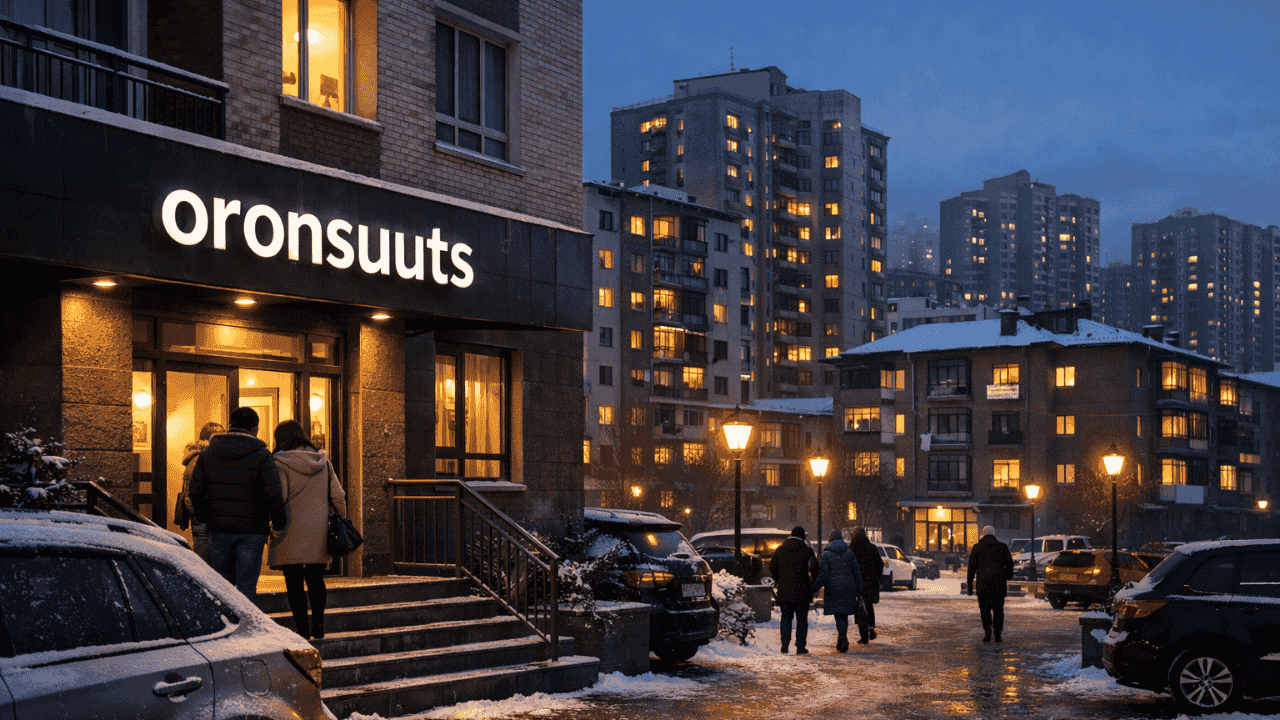
Housing choices reveal more about a city than official reports ever do. Walk through any dense neighborhood in Ulaanbaatar and you’ll see it clearly: stacked balconies, uneven renovations, satellite dishes pointing in every direction, and people adapting fast to limited space. oronsuuts sits right in the middle of that reality. It’s not theoretical. It’s practical, messy, and shaped by money, timing, and pressure. Anyone writing about housing without acknowledging how people actually live is wasting the reader’s time.
How oronsuuts Shapes Everyday Urban Life
City life in Mongolia doesn’t pause while policy debates drag on. People still need places to live, and oronsuuts fills that gap day after day. Most residents aren’t chasing dream homes. They’re chasing proximity to work, schools, and heat that actually functions through winter.
Apartments dominate because they have to. Detached housing near the city core is priced out of reach for most households. Ger districts continue to expand, but for families prioritizing plumbing, central heating, and year-round reliability, oronsuuts becomes the default compromise. It’s not glamorous, but it’s stable.
This concentration of apartment living has created its own rhythm. Shared stairwells. Elevator politics. Informal agreements between neighbors about noise, parking, and winter maintenance. The daily experience of oronsuuts isn’t about architecture alone; it’s about negotiation.
Price Pressure and the Reality Buyers Don’t Like to Admit
The first lie people tell themselves is that price equals quality. In the oronsuuts market, that rarely holds. Older Soviet-era buildings often outperform newer developments in insulation and layout. Meanwhile, some new builds sell fast on appearance and location, then disappoint once residents move in.
Pricing depends heavily on three factors that matter more than marketing claims:
- Distance from main roads and transit
- Heating reliability during peak winter months
- Management quality after handover
Buyers who ignore these details usually regret it. Renters feel it faster. When heating fails in January, no floor plan matters. oronsuuts decisions punish shortcuts.
The Role of Online Listings in Shaping Expectations
The rise of digital property platforms changed how people approach oronsuuts, but it didn’t simplify the process. Listings highlight finishes, room counts, and square meters, yet leave out the things residents care about most: noise transfer, elevator downtime, and seasonal temperature swings.
Photos flatten reality. A bright living room image doesn’t tell you how thin the walls are. A modern kitchen shot doesn’t show water pressure at 7 a.m. Buyers scrolling listings often confuse presentation with livability, and sellers take full advantage of that gap.
Serious buyers treat online listings as filters, not answers. oronsuuts still demands physical inspection and blunt questions.
Neighborhood Reputation Still Carries More Weight Than Design
Ask long-term residents where they’d live again and where they wouldn’t, and patterns appear quickly. Certain districts maintain reputations that override individual buildings. This isn’t superstition. It’s experience.
Schools, clinics, public transport routes, and winter road maintenance shape daily life more than interior finishes. A mediocre apartment in a reliable neighborhood often beats a polished unit in an isolated block. oronsuuts doesn’t exist in isolation; it borrows value from its surroundings.
Developers who ignore this reality struggle after the initial sales phase. Occupancy drops. Resale stagnates. Word spreads fast in a city where everyone knows someone who moved out too soon.
Layout Decisions That Actually Matter
Floor plans get attention, but not all design choices age well. Open kitchens sound modern until cooking smells linger for days. Oversized balconies feel generous until winter renders them unusable for half the year.
In oronsuuts, practical layouts outperform trendy ones. Separate kitchens, compact hallways, and defined storage win over time. Families adapt spaces for multiple generations, remote work, and seasonal living. Apartments that allow flexibility survive market shifts better than rigid designs.
Buyers who think long-term ask one question early: how will this unit work five winters from now?
Maintenance and Management: The Silent Divider
Two identical buildings can deliver completely different living experiences depending on management. oronsuuts lives or dies on this factor, yet it’s the least advertised.
Good management handles heating schedules, stairwell cleaning, security, and repairs without drama. Bad management turns small issues into constant stress. Residents end up organizing repairs themselves or paying twice for services that should be covered.
Savvy buyers ask neighbors about management before signing anything. If residents hesitate or complain openly, that’s your answer.
Rentals, Short-Term Thinking, and Long-Term Consequences
Rental demand keeps oronsuuts moving, especially near universities and business districts. Landlords often prioritize quick returns, furnishing units cheaply and cycling tenants fast. That approach erodes buildings over time.
Short-term profit leaves long-term damage. Hallways wear out. Shared spaces decline. Responsible landlords stand out because they maintain standards even when tenants rotate. Over time, these units command steadier income and fewer disputes.
Renters notice patterns quickly. Buildings known for neglect struggle to attract stable tenants, regardless of price.
Why Older oronsuuts Buildings Still Compete
Age alone doesn’t disqualify a building. Many older oronsuuts developments benefit from thicker walls, better spacing between buildings, and mature infrastructure. Trees, courtyards, and established utilities matter more than glossy brochures.
Renovations can update interiors, but structural decisions made decades ago still shape comfort. New developments often compress too much into limited land, sacrificing airflow and sunlight. Older blocks didn’t face the same pressure.
This balance keeps older apartments relevant, especially for buyers who value consistency over novelty.
The Emotional Weight of Housing Choices
Housing isn’t just numbers. oronsuuts decisions carry emotional consequences that don’t show up in contracts. Stress from noise, cold, or unreliable services bleeds into daily life. Comfort, when it works, fades into the background. When it fails, it dominates everything.
People rarely regret buying smaller spaces if those spaces function well. They regret ignoring warning signs. oronsuuts rewards patience and punishes urgency.
Where the Market Is Heading, Whether People Like It or Not
Urban growth isn’t slowing. Demand for apartments will continue, and oronsuuts will remain the backbone of city housing. The gap between well-managed buildings and poorly run ones will widen. Buyers will become sharper. Renters will become less forgiving.
Developers who prioritize speed over durability will feel it in resale value. Residents will vote with their feet.
The takeaway is blunt: oronsuuts isn’t about chasing perfection. It’s about choosing stability in a crowded city and understanding what compromises you’re actually making. Ignore that, and the apartment will remind you every winter.
FAQs
What should buyers check first when viewing an oronsuuts apartment?
Heating performance, building management quality, and noise transfer matter more than finishes or décor.
Are newer oronsuuts buildings always a better investment?
No. Many older buildings outperform newer ones due to stronger construction and established infrastructure.
How important is neighborhood reputation when choosing oronsuuts?
It often outweighs individual unit features because services, transit, and maintenance reliability follow location.
Do online listings accurately represent oronsuuts living conditions?
They help narrow options but hide critical issues like sound insulation and winter performance.
Is renting in oronsuuts better short-term or long-term?
Long-term renting works best in well-managed buildings; short-term setups often sacrifice comfort and upkeep.