






Let’s be blunt: most talk around cellulogia sells hope in a jar or a machine session, not real change. The photos look convincing, the names sound clinical, and the prices climb fast. Yet the results usually come down to something simpler—skin quality, circulation, muscle tone, and patience. Strip away the gloss and you’re left with habits and treatments that either move the needle or waste your money. There isn’t much middle ground.
That’s why cellulogia deserves a practical, grounded look. Not hype. Not miracle language. Just what actually improves the way skin looks and feels, and what quietly drains your wallet.
The everyday problem people try to fix
Cellulite isn’t rare or abnormal. It shows up on the thighs, hips, and glutes of athletes, office workers, new moms, and people who train five days a week. It has less to do with laziness and more to do with how fat sits under the skin and how connective tissue pulls it downward.
That dimpled look forms when fat presses upward while fibrous bands tug downward. Hormones, genetics, and circulation all play a part. No cream can rewrite anatomy. That’s the reality most cellulogia marketing avoids.
So when someone turns to cellulogia, they’re usually chasing smoother texture, tighter skin, or less visible dimpling—not weight loss. Framing the goal correctly matters because it changes what you should actually try.
Why cellulogia keeps popping up in clinics and product lines
Walk into a med spa and you’ll hear the word cellulogia tied to treatments that promise firmness without surgery. Scroll skincare shops and you’ll see it stamped on creams, massage tools, and body wraps. It has become a shorthand for “non-invasive improvement.”
Here’s what sits behind that label in practice:
- radiofrequency devices that heat tissue to stimulate collagen
- suction or vacuum rollers that massage and move fluid
- ultrasound tools aimed at fat cells
- caffeine or retinol creams meant to tighten the surface
- manual lymphatic drainage massages
None of these are magic. They either boost circulation, temporarily tighten skin, or create mild collagen remodeling over time. That’s it. The gains are modest but real when expectations are sane.
When cellulogia is pitched as permanent removal, that’s when the story goes off the rails.
The treatments worth your time (ranked honestly)
If you’re going to spend money, prioritize methods that change tissue behavior instead of just sitting on top of the skin.
Radiofrequency and heat-based devices
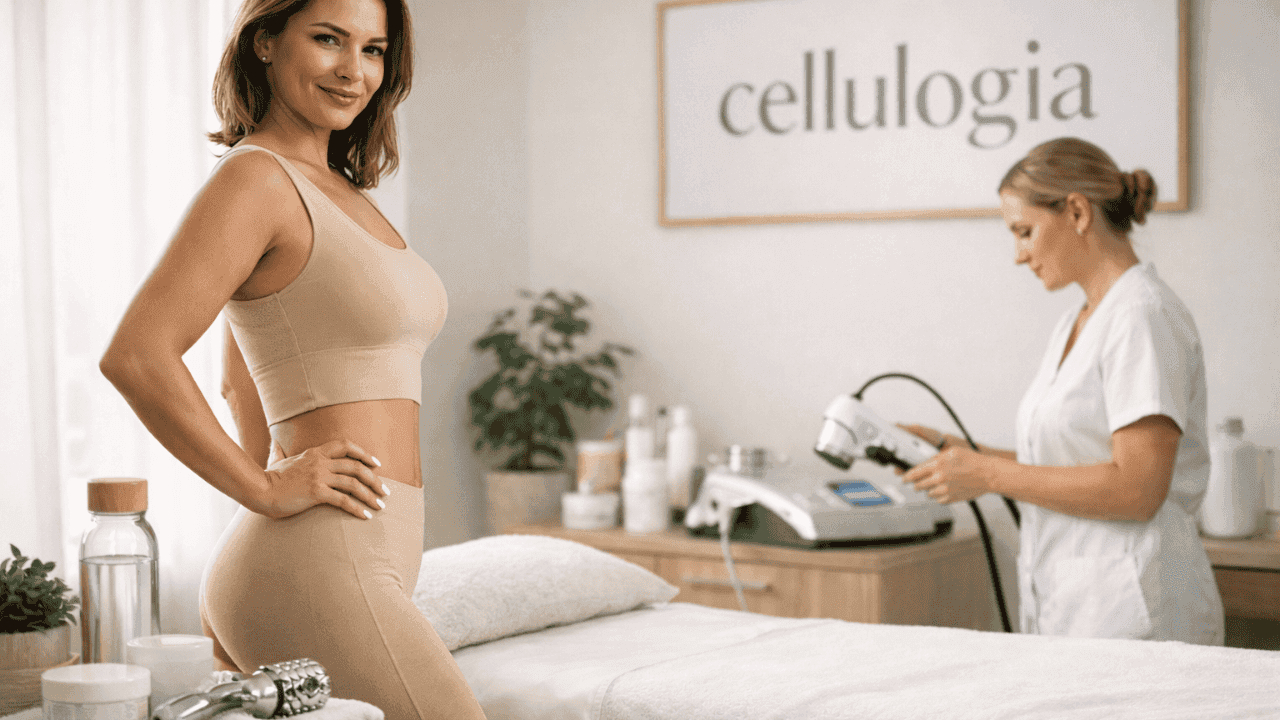
These sit at the top of the list. Controlled heat triggers collagen production and mild skin tightening. Over a series of sessions—usually 6 to 10—you can see smoother texture and slightly firmer skin.
The catch: results fade if you stop completely. Maintenance sessions matter. Think upkeep, not a one-time fix. Good clinics that offer cellulogia packages often rely heavily on this technology because it produces visible change without downtime.
Strength training
This doesn’t get branded as cellulogia, but it should. Building muscle under the skin pushes tissue outward and reduces that uneven look. Squats, lunges, deadlifts, and step-ups do more for your legs and glutes than any jar of cream.
Three months of consistent lower-body strength work will outperform most topical products. It’s not flashy, which is probably why it’s under-marketed.
Manual massage and lymphatic drainage
These can temporarily reduce puffiness and fluid buildup. Skin looks smoother for a day or two. Useful before events or photos. Not long-term correction.
A lot of cellulogia services include this step because clients see immediate change, even if it’s short-lived. It’s cosmetic maintenance, not transformation.
Creams and topicals
Caffeine tightens briefly. Retinol thickens skin slowly with consistent use. Hyaluronic acid plumps. Helpful? Yes. Dramatic? No.
Topicals support the process but won’t drive it alone. Anyone selling cellulogia creams as a standalone solution is overselling.
Lifestyle changes that quietly do more than devices
This part doesn’t sound glamorous, but it works.
Hydration affects skin thickness and elasticity. Dehydrated skin looks crepey and exaggerates dimples. Drink enough water and the surface looks smoother almost immediately.
Diet matters too. High-salt, highly processed food increases water retention and inflammation, both of which make cellulite more obvious. Cleaner eating tightens the look of skin faster than most people expect.
Then there’s sleep. Poor sleep disrupts collagen repair and hormone balance. If you’re running on five hours a night, don’t expect any cellulogia treatment to compensate.
You can’t out-procedure bad habits.
The psychology behind the promise
There’s a reason cellulogia sounds convincing. It borrows the tone of science without being bound to scientific standards. It feels technical. That lowers skepticism.
Add before-and-after photos shot under different lighting and angles, and people assume a breakthrough happened.
But when you look closely, the improvements are usually incremental. Slightly tighter skin. Slightly smoother texture. Those are good outcomes—just not miracles.
If you approach cellulogia expecting perfection, you’ll feel disappointed even when it’s working. If you expect 10–20 percent improvement, you’ll probably be satisfied.
Expectations shape satisfaction more than the treatment itself.
How to choose a clinic or product without getting burned
If someone pitches cellulogia with words like “erase,” “permanent,” or “guaranteed,” walk away.
Instead, look for:
- clear explanation of how many sessions you’ll need
- realistic before-and-after photos under the same lighting
- maintenance plans discussed upfront
- no pressure to buy bundles immediately
Ask direct questions. How long will results last? What happens if I stop? What percentage improvement do clients usually see?
Straight answers signal professionalism. Dodging signals sales tactics.
What a realistic cellulogia routine looks like
The people who get the best results treat cellulogia as part of a system, not a single product.
Picture this:
Two strength workouts per week focused on glutes and legs.
One or two radiofrequency sessions per month for a short cycle.
Daily hydration and consistent skincare with retinol at night.
Occasional massage for circulation.
That combination quietly reshapes skin over months. Nothing dramatic week to week. But steady improvement you can see in photos.
It’s boring. And it works.
Where people waste the most money
Quick fixes.
Body wraps that claim to melt inches overnight. Electric gadgets that vibrate for ten minutes and promise sculpting. Expensive creams with exotic plant extracts and no clinical backing.
These attach themselves to the cellulogia label because it sounds specialized. In reality, they’re just repackaged gimmicks.
If a treatment doesn’t affect collagen, circulation, or muscle tone, it probably won’t do much.
Keep your standards simple. If you can’t explain how something works in plain language, skip it.
The bigger picture most people miss
Cellulite is normal. Even fitness models have it when they’re not flexing under studio lights. Chasing perfectly smooth skin can turn into an endless spending cycle.
Cellulogia works best when it’s about improvement, not perfection. Aim for stronger legs, healthier skin, better circulation. The appearance change follows naturally.
If you treat it like a battle against your body, you’ll lose patience fast. Treat it like maintenance, like brushing your teeth or going to the gym, and it fits into real life.
That mindset shift makes all the difference.
Final take
cellulogia isn’t a miracle or a scam—it’s a toolbox. Used wisely, it smooths, tightens, and improves texture. Used blindly, it empties your bank account. Pick the few methods that actually change tissue, ignore the shiny distractions, and commit to habits that support the work. Results come slowly, but they stick.
FAQs
How long does it take to see visible change with cellulogia treatments?
Most people notice small improvements after 3–4 sessions of heat-based treatments or about 8–12 weeks of consistent strength training. Anything faster is usually temporary swelling or lighting tricks.
Can I rely on creams alone for smoother skin?
No. Creams help the surface look better but don’t address deeper structure. They work best alongside exercise or professional treatments.
Are results permanent if I finish a full course of sessions?
No. Maintenance is part of the deal. Skin and fat tissue respond to lifestyle, hormones, and aging, so upkeep matters.
Does weight loss automatically reduce cellulite?
Not always. Losing fat can help, but loose skin or reduced muscle tone can still show dimpling. Strength training often makes a bigger visual difference.
Is home massage with tools effective?
It can temporarily improve circulation and reduce puffiness. Useful for short-term smoothing, but don’t expect lasting structural change without other methods.