







Technical accuracy is the backbone of modern industries. Large engineering projects, manufacturing systems, public infrastructure, and complex technical operations all depend on strict standards and careful verification. Without proper oversight, small technical errors can lead to safety risks, financial loss, or project failure. This is why organizations rely on professionals who specialize in technical examination and compliance.
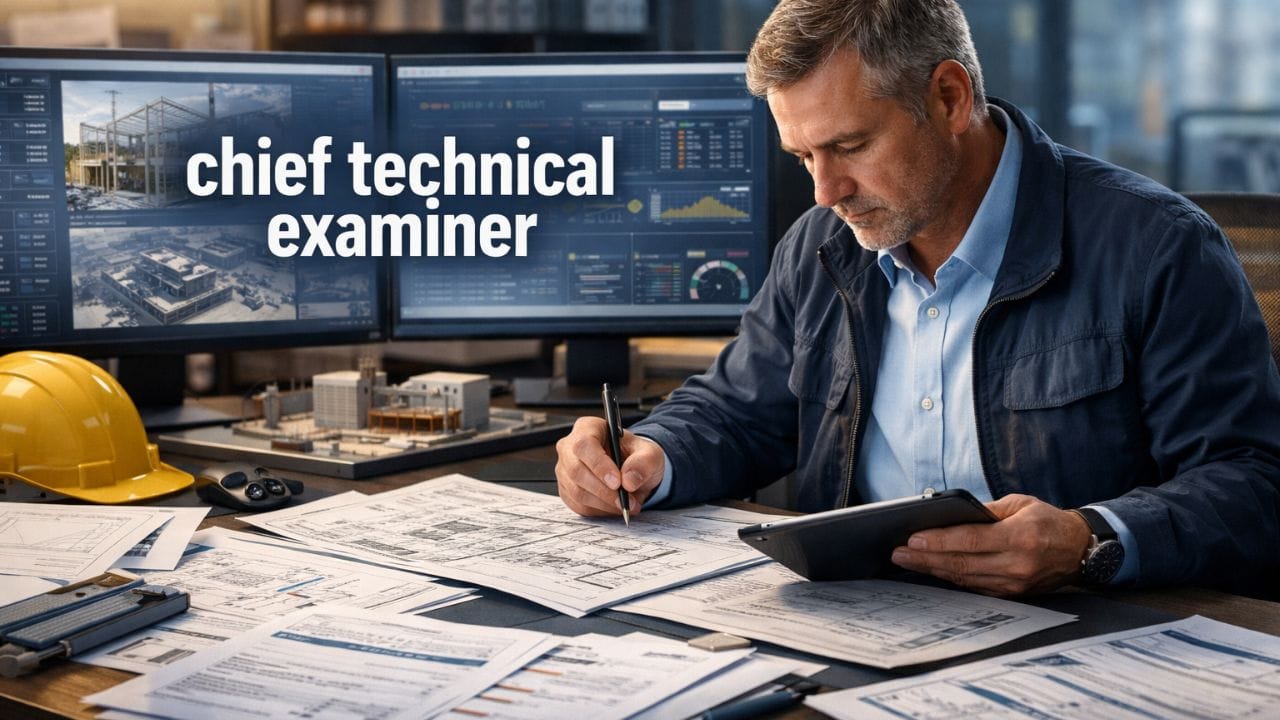
A chief technical examiner is a senior technical authority responsible for reviewing systems, designs, and technical processes to confirm that they meet required standards. The role focuses on examining whether work has been performed correctly rather than managing day-to-day operations. By checking documentation, engineering specifications, and operational procedures, the chief technical examiner ensures that projects meet both technical and regulatory expectations.
This position carries significant responsibility because the findings of a chief technical examiner often influence project approvals, safety decisions, and quality improvements. Their work protects organizations from costly mistakes while also maintaining professional and industry standards.
Understanding the Role of a Chief Technical Examiner
The role of a chief technical examiner revolves around technical evaluation and compliance verification. In organizations that handle complex projects, someone must ensure that engineering designs, technical reports, and operational systems follow strict guidelines. The chief technical examiner performs this function by carefully reviewing the technical aspects of projects before they move forward.
A chief technical examiner does not simply glance over documents. The examination process involves deep analysis of engineering plans, testing results, material specifications, and system performance data. The examiner looks for inconsistencies, weaknesses, or deviations from approved standards. If any issues appear, they must be documented and reported for correction.
The position also requires independence and objectivity. A chief technical examiner must evaluate work without bias, even if the project involves senior engineers or management decisions. Their role is to maintain technical integrity and ensure that projects meet required standards.
Because the work involves critical decisions, organizations often assign experienced engineers or technical specialists to the chief technical examiner position. These professionals have the background needed to understand complex technical details and assess whether systems are functioning as intended.
Core Responsibilities of a Chief Technical Examiner
The daily responsibilities of a chief technical examiner involve reviewing technical work, identifying potential risks, and ensuring compliance with industry regulations. Although the specific duties may vary depending on the organization, the core responsibilities remain consistent across most industries.
Technical Review and Examination
One of the primary duties of a chief technical examiner is reviewing technical documentation and project designs. This may include engineering drawings, system architecture plans, production processes, or equipment specifications. The goal is to confirm that every technical element meets the approved design requirements.
During this review process, the chief technical examiner studies the details carefully. If any inconsistency appears between the design and the actual implementation, the examiner highlights the issue and recommends corrective measures. This level of review helps prevent technical failures and ensures that projects maintain high standards.
Ensuring Compliance with Regulations
Many industries operate under strict regulatory frameworks. Safety rules, environmental standards, and operational guidelines must all be followed. The chief technical examiner plays an important role in ensuring that organizations remain compliant with these regulations.
The examination process often involves reviewing safety procedures, equipment certifications, and quality control documentation. If the chief technical examiner identifies any violations or potential compliance risks, they must report them immediately and recommend solutions.
Compliance verification protects organizations from legal issues and also helps maintain public trust in projects that involve infrastructure, manufacturing, or engineering systems.
Identifying Technical Risks
Every technical system carries some level of risk. Machines can fail, materials can degrade, and engineering designs may contain weaknesses. A chief technical examiner analyzes systems to identify potential problems before they become serious.
Risk identification requires deep technical understanding. The examiner evaluates performance data, testing results, and operational reports to determine whether a system is stable and reliable. When risks are identified, the chief technical examiner works with engineering teams to develop solutions that reduce the likelihood of failure.
By addressing risks early, organizations can avoid accidents, downtime, and expensive repairs.
Preparing Detailed Technical Reports
Documentation is an essential part of the examination process. After reviewing systems or projects, the chief technical examiner prepares reports that describe the findings. These reports often include observations, identified issues, and recommended improvements.
Clear documentation helps management teams understand technical problems and make informed decisions. It also creates a record that can be referenced during audits, inspections, or future project evaluations.
A well-prepared report from a chief technical examiner can influence whether a project moves forward or requires further adjustments.
Supervising Technical Inspection Teams
In large organizations, the chief technical examiner may oversee a group of inspectors or technical analysts. These teams assist with collecting data, reviewing documentation, and performing site inspections.
The chief technical examiner ensures that team members follow proper examination procedures and maintain consistent standards. By guiding the team and reviewing their findings, the examiner helps maintain accuracy and reliability in technical assessments.
Strong leadership skills are important in this aspect of the role because the quality of the examination process depends on effective coordination among technical staff.
Essential Skills for a Chief Technical Examiner
The role of a chief technical examiner demands a combination of technical knowledge, analytical thinking, and leadership ability. Professionals in this position must evaluate complex systems while also communicating their findings clearly.
Advanced technical knowledge forms the foundation of the role. A chief technical examiner must understand engineering principles, system design, and industry standards. Without this expertise, it would be impossible to evaluate technical work accurately.
Analytical thinking is equally important. The examiner must review large amounts of technical information and identify patterns or inconsistencies. This skill allows the chief technical examiner to detect problems that might not be obvious at first glance.
Attention to detail is another critical skill. Technical errors can sometimes be small, but their consequences may be serious. The chief technical examiner must carefully examine documents, calculations, and reports to catch even minor mistakes.
Communication skills are also necessary. The examiner must explain technical findings to engineers, project managers, and executives. Clear communication ensures that problems are understood and resolved effectively.
Leadership ability becomes important when the chief technical examiner supervises technical teams. Guiding inspectors and maintaining consistent evaluation standards requires both technical authority and organizational skills.
Education and Professional Background
Most professionals who become a chief technical examiner begin their careers in engineering or technical fields. A strong educational background provides the knowledge needed to evaluate complex systems and technical designs.
A bachelor’s degree in engineering, technology, or a related discipline is usually the starting point. Some professionals also pursue specialized certifications related to quality assurance, technical auditing, or safety compliance. These certifications strengthen their ability to perform technical evaluations and demonstrate expertise in industry standards.
Experience plays an even greater role than formal education. The chief technical examiner position usually requires many years of practical work in engineering, inspection, or technical management. This experience helps professionals develop the judgment needed to evaluate technical projects accurately.
Many chief technical examiner professionals previously worked as engineers, technical inspectors, or quality assurance specialists. Over time they gain deeper knowledge of industry regulations and technical systems, which prepares them for the examination role.
Industries That Employ a Chief Technical Examiner
The chief technical examiner role appears in industries where technical reliability and regulatory compliance are critical. Organizations operating large systems or complex infrastructure often rely on this position to maintain quality and safety.
Construction and infrastructure development projects frequently involve strict engineering standards. A chief technical examiner reviews building designs, material specifications, and construction processes to confirm that they follow approved guidelines. This oversight helps ensure that structures remain safe and durable.
Manufacturing companies also depend on the expertise of a chief technical examiner. Production equipment, assembly processes, and product quality must all meet strict requirements. By examining production systems and reviewing quality reports, the examiner helps maintain consistent manufacturing standards.
Government departments often appoint a chief technical examiner to oversee public works projects and technical compliance. Infrastructure projects such as highways, bridges, and utility systems require independent examination to ensure that public safety standards are met.
Engineering consulting firms may also employ a chief technical examiner to review project designs prepared by engineering teams. This review ensures that proposed solutions meet industry standards before they are implemented.
Technology companies sometimes assign technical examination roles to specialists who evaluate system architecture, performance data, and operational reliability.
Importance of a Chief Technical Examiner in Organizations
The presence of a chief technical examiner strengthens accountability within technical environments. By reviewing work independently, the examiner provides an additional layer of quality assurance.
Organizations benefit from this oversight in several ways. Technical errors can be detected before they affect operations, which reduces the risk of accidents or equipment failure. Compliance with regulatory requirements also becomes easier when a chief technical examiner actively monitors technical processes.
Another important advantage is improved decision-making. Management teams often rely on the examiner’s reports when evaluating project readiness or approving system upgrades. Because the chief technical examiner provides an objective analysis, these decisions are based on accurate technical information.
Over time, consistent examination practices also improve organizational standards. Engineers and project teams become more aware of compliance requirements, which encourages better design and documentation practices.
Difference Between Chief Technical Examiner and Chief Technology Officer
Although the titles may sound similar, the responsibilities of a chief technical examiner differ significantly from those of a chief technology officer.
A chief technology officer focuses on innovation, product development, and technological strategy. This role guides how an organization adopts new technologies and develops technical capabilities.
A chief technical examiner performs a different function. Instead of leading technology strategy, the examiner reviews and evaluates technical work to confirm that it meets required standards. The chief technical examiner acts as an independent authority who verifies accuracy, compliance, and safety.
While both roles involve technical expertise, their objectives are not the same. The chief technology officer drives technological progress, while the chief technical examiner ensures that technical work is correct and compliant.
Career Path to Becoming a Chief Technical Examiner
Becoming a chief technical examiner usually requires a long period of professional development. Most professionals build their careers gradually through engineering or technical inspection roles.
The journey often begins with a technical degree followed by entry-level work in engineering or system analysis. Over time, professionals gain experience working with technical designs, project evaluations, and quality control processes.
As their expertise grows, they may move into positions such as senior engineer, quality assurance manager, or technical inspector. These roles provide deeper exposure to compliance standards and system evaluation methods.
Eventually, experienced professionals with strong technical judgment may be promoted to the chief technical examiner position. At this stage, their responsibility shifts toward evaluating projects and guiding technical examination teams.
Continuous learning remains essential even after reaching the role. Technical standards evolve, new technologies appear, and regulations change. A successful chief technical examiner stays informed about these developments to maintain accurate evaluations.
Conclusion
The chief technical examiner plays an essential role in maintaining technical accuracy and safety within organizations. By examining engineering designs, evaluating system performance, and verifying regulatory compliance, the chief technical examiner ensures that projects meet required standards.
This role requires a strong combination of technical knowledge, analytical ability, and professional experience. Organizations in fields such as construction, manufacturing, engineering consulting, and government infrastructure depend on the expertise of a chief technical examiner to maintain quality and reliability.
As technology continues to grow more complex, the need for careful technical examination becomes even more important. The chief technical examiner provides the oversight that helps organizations avoid costly mistakes and maintain trust in their technical operations.
FAQs
What is the role of a chief technical examiner?
A chief technical examiner evaluates technical systems, project designs, and operational processes to confirm that they meet safety standards, quality requirements, and regulatory guidelines.
What qualifications are required to become a chief technical examiner?
Most positions require a degree in engineering or technology along with extensive experience in technical inspection, quality assurance, or system evaluation.
Where does a chief technical examiner typically work?
A chief technical examiner can work in construction companies, manufacturing industries, government infrastructure departments, engineering consulting firms, and technology organizations.
What skills are important for a chief technical examiner?
Important skills include strong technical knowledge, analytical thinking, attention to detail, communication ability, and leadership skills for managing technical teams.
How long does it take to become a chief technical examiner?
It often takes several years of experience in engineering, inspection, or technical management roles before professionals advance to the chief technical examiner position.