







Across many parts of Europe, simple grain-based dishes have supported families for centuries. One of those foods is palentu, a humble meal made primarily from cornmeal and liquid. The dish gained popularity because it was affordable, filling, and easy to cook in large quantities. Farmers, laborers, and rural households relied on meals like palentu to stay energized through long working days. Over time, this once basic food moved beyond village kitchens and appeared in restaurants and modern home cooking.
Palentu continues to be appreciated today because it adapts easily to different ingredients and cooking styles. Some people prefer it soft and creamy, while others enjoy it firm and sliced. Depending on the region, cooks may add cheese, butter, meat, or vegetables to enhance the flavor. Although it began as a necessity for rural communities, palentu now represents a culinary tradition that connects modern kitchens with historical food culture.
Understanding What Palentu Is
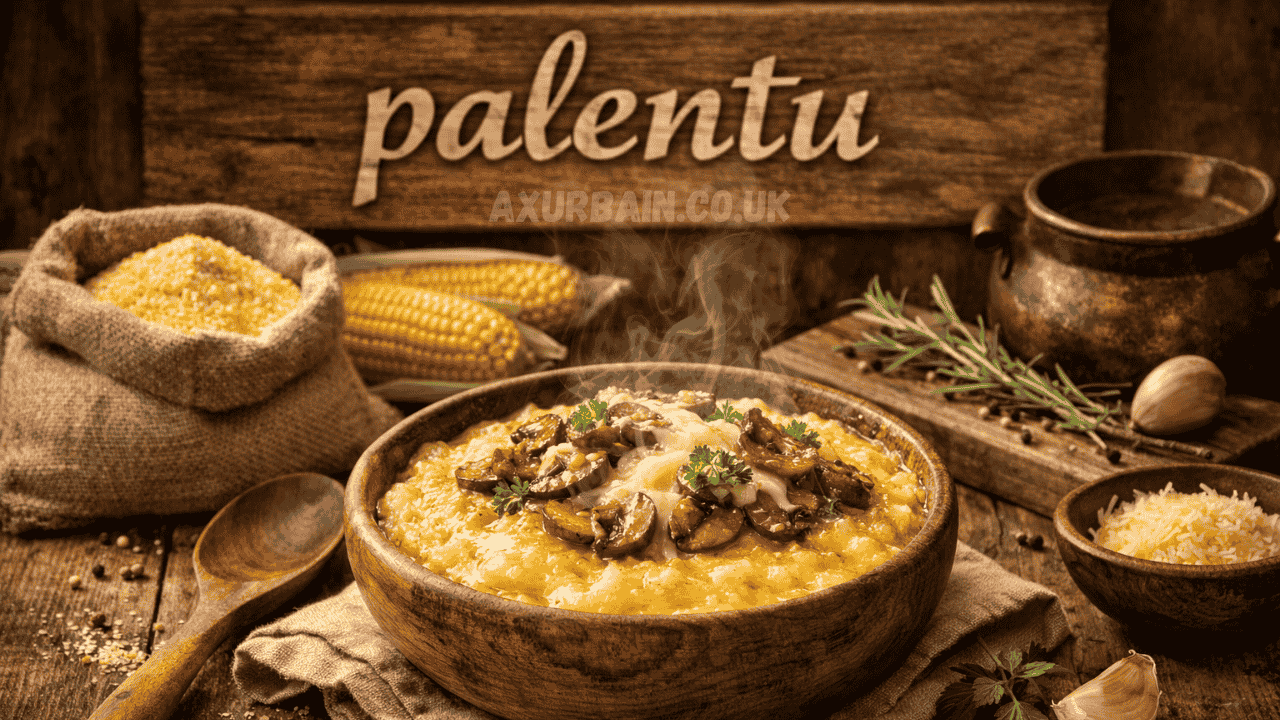
Palentu is a dish made by slowly cooking cornmeal in water, milk, or broth until the mixture thickens. The cooking process requires steady stirring so the cornmeal absorbs the liquid and develops a smooth texture. When served immediately after cooking, palentu is soft and creamy, similar to a thick porridge. Once cooled, it becomes firm enough to cut into slices.
This dish shares strong similarities with Italian polenta and other cornmeal foods found across Europe. Despite these similarities, palentu often carries regional preparation styles and local ingredients. Some communities serve palentu as a side dish, while others treat it as the main component of the meal. The flexibility of palentu is one reason it has remained relevant across generations.
Historical Roots of Palentu
The history behind palentu stretches back much further than the arrival of corn in Europe. Ancient Roman communities ate grain porridges made from barley, wheat, and other cereals. These early dishes were known as puls, which formed the foundation for many later grain-based foods. When maize arrived in Europe during the sixteenth century, cornmeal replaced earlier grains in these porridges.
This shift allowed dishes like palentu to develop into the cornmeal meals recognized today. Corn was easier to grow in many rural regions and provided reliable harvests. Families quickly adopted cornmeal as a staple ingredient because it could be stored for long periods. Over the centuries, palentu evolved from a survival food into an important cultural dish.
Regions Where Palentu Became Popular
Palentu is strongly associated with several European regions, particularly areas where corn farming became common. Northern Italy and parts of the Balkan Peninsula developed strong traditions around cornmeal dishes. Rural communities often prepared palentu in large pots that served entire households. Even today, the dish remains familiar in many countryside kitchens.
Several countries have versions that resemble palentu, though the names and cooking methods may differ slightly. These include:
- Italy, where polenta is widely known
- Romania and Moldova, where a similar dish called mamaliga is served
- Slovenia and Croatia, where cornmeal dishes appear in traditional meals
- Switzerland and parts of Central Europe with regional cornmeal recipes
Although the names vary, the core idea remains the same: a simple cornmeal dish prepared slowly and served with other foods.
Key Ingredients Used in Palentu
The ingredients used to make palentu are straightforward, which explains why the dish became so widespread. Most households can prepare it using pantry staples without complicated preparation. While the base recipe remains simple, cooks often personalize palentu with additional ingredients.
Typical ingredients include:
- cornmeal
- water, milk, or broth
- salt
- butter or oil
Many cooks also add toppings or mix-ins to enrich the dish. Common additions include:
- grated cheese
- sautéed mushrooms
- roasted vegetables
- meat sauces or stews
- fried eggs or sausages
These additions transform palentu from a plain staple into a satisfying and flavorful meal.
How Palentu Is Traditionally Prepared
Cooking palentu requires patience and attention to texture. The process begins by heating liquid in a pot and gradually adding cornmeal while stirring. Continuous stirring prevents lumps from forming and helps the mixture cook evenly. As the cornmeal absorbs liquid, the mixture thickens and develops a smooth consistency.
Traditional cooking methods often used large copper or iron pots placed over open fires. The mixture needed frequent stirring with wooden paddles to keep it from sticking to the pot. Once fully cooked, palentu could be served immediately or poured onto a wooden board to cool. After cooling, it became firm enough to slice into portions.
Basic steps used when cooking palentu
- bring water, milk, or broth to a gentle boil
- slowly add cornmeal while stirring constantly
- reduce heat and cook until thick
- season with salt, butter, or cheese
- serve soft or allow it to cool and slice
These steps remain the foundation of most palentu recipes today.
Different Ways Palentu Is Served
One of the reasons palentu has survived through centuries of cooking traditions is its versatility. The same base mixture can be presented in several ways depending on the desired texture. Each method offers a different experience while keeping the core ingredient unchanged.
Soft palentu is served immediately after cooking and has a creamy texture. This version often accompanies meat sauces, stews, or vegetables. The smooth consistency allows it to absorb flavors from other dishes on the plate.
Firm palentu appears after the mixture cools and solidifies. Once cooled, it can be cut into squares or slices. Many cooks grill, bake, or fry these slices to create a crisp outer layer while maintaining a soft center. This approach turns palentu into a hearty side dish or snack.
Nutritional Value of Palentu
Cornmeal, the main ingredient in palentu, provides energy through complex carbohydrates. This made the dish especially valuable for workers who needed filling meals throughout the day. Because the recipe contains few ingredients, the nutritional value depends heavily on the toppings added during preparation.
Palentu also offers several dietary advantages. For example, it does not contain gluten, making it suitable for people who avoid wheat products. When paired with vegetables, cheese, or protein sources, palentu becomes a balanced meal.
Some nutritional highlights of palentu include:
- a steady source of carbohydrates for energy
- moderate fiber content
- naturally gluten free
- easy digestion when served warm
These qualities explain why the dish has remained popular among both traditional and modern diets.
Cultural Importance of Palentu in Rural Communities
In many villages, palentu represented more than just a meal. Preparing the dish often involved family members gathering around a large pot and sharing food together. Because it could feed many people at once, palentu played a central role during communal meals.
Farmers frequently ate palentu with cheese, milk, or preserved meats after long workdays. The dish required minimal ingredients, which made it practical during times when food supplies were limited. Over time, these traditions became deeply rooted in local culture.
Even as cooking habits changed, palentu continued to symbolize rural heritage. Many restaurants now include traditional cornmeal dishes on their menus to celebrate regional cuisine. In this way, palentu remains a link between historical food practices and modern culinary appreciation.
Modern Variations of Palentu
Today, chefs and home cooks experiment with new ways to prepare palentu while preserving its traditional base. Some recipes incorporate herbs, spices, or specialty cheeses for additional flavor. Others pair palentu with seafood, roasted meats, or vegetable sauces.
Modern kitchens may also use different cooking techniques. Instead of constant stirring on a stovetop, some cooks use slow cookers or ovens to simplify preparation. Despite these innovations, the essence of palentu remains unchanged.
Contemporary dishes using palentu often include:
- grilled palentu served with roasted vegetables
- creamy palentu topped with mushroom sauce
- fried palentu slices with cheese and herbs
- baked palentu layered with tomato and meat sauce
These adaptations show how a centuries-old food can continue evolving in modern kitchens.
Conclusion
Palentu began as a simple cornmeal dish created out of necessity, yet it grew into an important part of European food culture. The dish reflects the resourcefulness of rural communities that relied on affordable ingredients to prepare nourishing meals. Through centuries of cooking traditions, palentu remained adaptable, allowing each region to shape it according to local tastes.
Today, palentu is valued both for its history and its versatility in the kitchen. Whether served creamy, sliced, grilled, or fried, the dish continues to appear in homes and restaurants alike. Its straightforward preparation and comforting flavor make palentu a lasting symbol of traditional cooking that still fits comfortably in modern meals.
FAQs
- What is palentu made from?
Palentu is mainly made from cornmeal cooked in water, milk, or broth until it becomes thick and creamy. - Is palentu the same as polenta?
Palentu is very similar to polenta and often considered a regional variation of the same cornmeal dish. - Can palentu be eaten in different forms?
Yes, palentu can be served soft and creamy or cooled and sliced before being grilled, baked, or fried. - Is palentu gluten free?
Yes, palentu is naturally gluten free because its main ingredient is cornmeal rather than wheat. - What foods are commonly served with palentu?
Palentu is often served with cheese, mushrooms, vegetables, meat stews, or sauces that add flavor and richness.