






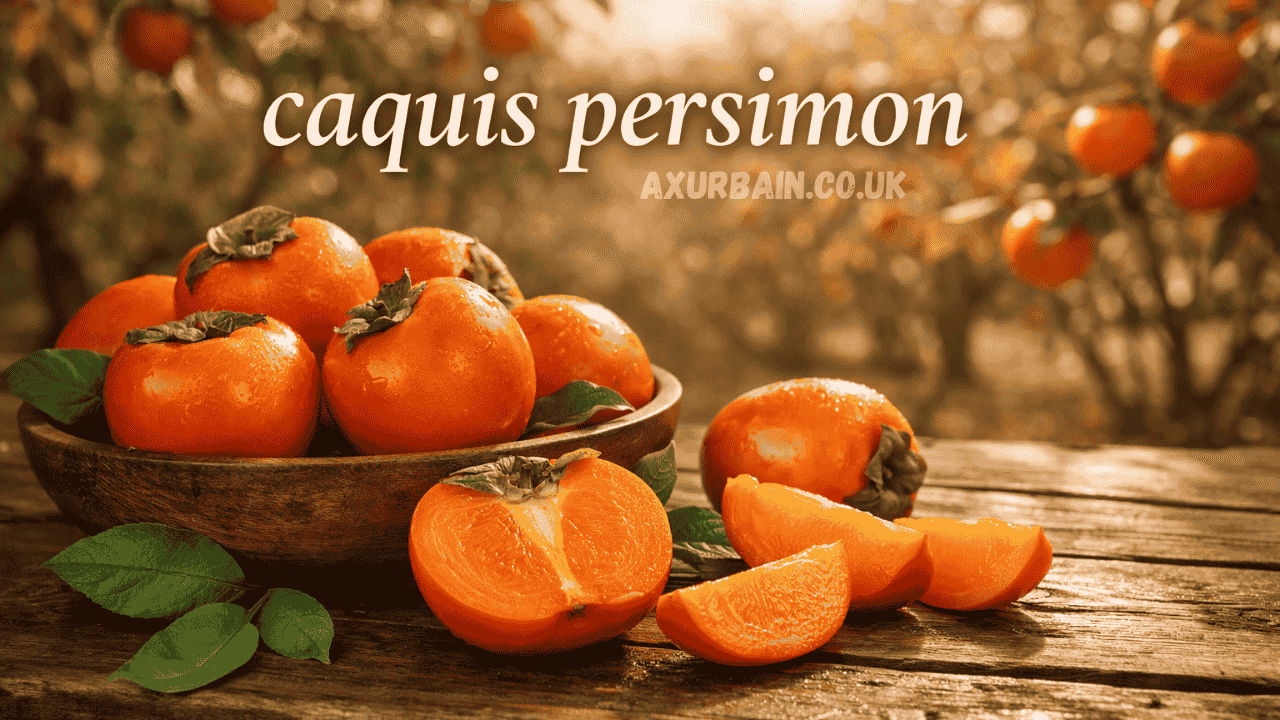
Fruit markets in late autumn often fill with bright orange fruits that look like small tomatoes or pumpkins. Among them, caquis persimon has gained attention for its sweetness, smooth texture, and impressive nutrition. The fruit comes from the persimmon tree and has been cultivated for centuries across Asia before spreading to Europe and other parts of the world. Many people discover caquis persimon while looking for seasonal fruit with a naturally sweet flavor and a high vitamin content. Learning about its origin, varieties, nutrition, and uses helps explain why this fruit continues to grow in popularity.
what caquis persimon is and where it comes from
Caquis persimon refers to a cultivated form of persimmon that belongs to the species Diospyros kaki. The fruit originally comes from China, where farmers began growing persimmons more than two thousand years ago. Over time the fruit spread to Japan, Korea, and other parts of Asia, where it became a common seasonal food. In Europe, especially Spain, improved varieties were developed to create firm, sweet fruit that could be sold internationally under the name caquis persimon.
The fruit is easy to recognize because of its orange color and smooth skin. Depending on the variety, it may appear round, flattened, or shaped slightly like an acorn. When fully ripe, the taste is rich and honey-like, which makes caquis persimon appealing to people who enjoy naturally sweet fruit. Farmers harvest the fruit mainly in autumn, which is why it often appears in markets from October to December.
Persimmon trees themselves are medium to tall trees that can grow between 4 and 18 meters in height. They produce glossy green leaves in spring and small flowers that later develop into the orange fruit. During autumn, the leaves change color and the bright fruits remain on the branches, making the trees visually striking in orchards.
physical characteristics and flavor of caquis persimon
The appearance and texture of caquis persimon can vary slightly depending on the variety and stage of ripeness. Some fruits stay firm even when ripe, while others become extremely soft. Despite these differences, the flavor profile remains consistently sweet and mild.
Several characteristics make caquis persimon stand out among fruits:
- bright orange to red-orange skin
- smooth surface with thin edible skin
- soft or firm flesh depending on the variety
- naturally sweet taste with little acidity
- subtle notes similar to honey or apricot
One interesting trait of persimmon fruit is the presence of tannins in some varieties. When the fruit is not fully ripe, these tannins create an astringent sensation in the mouth. As the fruit ripens, the tannins break down and the flavor becomes smooth and sweet. Because of this change, fully ripe caquis persimon tastes dramatically better than fruit picked too early.
common varieties related to caquis persimon
There are hundreds of persimmon cultivars grown around the world. However, a few types appear more frequently in markets and are often compared when discussing caquis persimon. These varieties differ mainly in texture, sweetness, and whether they can be eaten while firm.
Fuyu is one of the most popular non-astringent persimmons. The fruit remains firm even when ripe and can be eaten like an apple. Its crisp texture and balanced sweetness make it widely popular in many countries.
Hachiya is another well-known variety, but it behaves differently from Fuyu. This type contains stronger tannins when unripe and must become very soft before eating. Once fully ripe, the flesh turns almost jelly-like and develops a rich sweetness.
The Spanish variety known as Rojo Brillante is often marketed as caquis persimon in European markets. Farmers developed it to produce large, seedless fruit with a firm texture and strong sweetness. This variety helped increase global awareness of caquis persimon as a commercial fruit.
nutritional value of caquis persimon
One reason caquis persimon attracts attention is its impressive nutritional profile. The fruit provides natural sugars, fiber, vitamins, and beneficial plant compounds. Even a single fruit can deliver a meaningful portion of daily vitamin requirements.
A typical persimmon fruit weighing around 168 grams contains about 118 calories. Most of these calories come from natural carbohydrates, which provide quick energy. The fruit also contains about 6 grams of fiber, which supports digestion and helps maintain a healthy gut.
Important nutrients found in caquis persimon include:
- vitamin A for vision and immune support
- vitamin C for immune health and skin maintenance
- potassium for proper nerve and muscle function
- antioxidants such as carotenoids and phenolic compounds
These nutrients make caquis persimon a valuable addition to a balanced diet. The fruit offers sweetness while still providing important vitamins and plant compounds that support overall health.
health benefits associated with caquis persimon
Regular consumption of fruit contributes to overall health, and caquis persimon provides several benefits due to its fiber, vitamins, and antioxidants. The combination of nutrients in the fruit supports multiple systems in the body.
One major advantage is digestive support. The fiber found in caquis persimon helps regulate bowel movements and promotes healthy digestion. A fiber-rich diet also contributes to a balanced gut microbiome, which plays a role in overall wellness.
Another important benefit involves antioxidant protection. Caquis persimon contains carotenoids and polyphenols that help reduce oxidative stress in the body. These compounds protect cells from damage caused by free radicals, which are linked to aging and certain chronic diseases.
Heart health may also benefit from the nutrients found in this fruit. Fiber can help manage cholesterol levels, while potassium supports healthy blood pressure. Eating fruits like caquis persimon as part of a balanced diet may support cardiovascular health over time.
The fruit also contributes to skin and eye health because of its vitamin A content. Vitamin A and beta-carotene support vision and help maintain healthy skin tissues. For people seeking nutrient-dense fruit options, caquis persimon offers both flavor and nutritional value.
ways people eat and use caquis persimon
One of the appealing aspects of caquis persimon is its versatility in the kitchen. The fruit can be enjoyed fresh, cooked, or dried depending on the variety and personal preference. Its natural sweetness allows it to work well in both simple snacks and creative dishes.
Many people prefer eating caquis persimon fresh. When the fruit is firm, it can be sliced and added to salads or eaten like an apple. Softer varieties can be scooped with a spoon and enjoyed as a dessert.
Common culinary uses include:
- slicing fresh fruit for salads or fruit bowls
- blending into smoothies for natural sweetness
- baking into cakes, breads, and muffins
- making jams or fruit preserves
- drying the fruit to create chewy snacks
In Japan, dried persimmons are a traditional seasonal food. The drying process concentrates the sweetness and creates a soft, candy-like texture. Similar methods are used in other parts of Asia, where dried persimmon snacks remain popular.
growing conditions and harvest season
The trees that produce caquis persimon grow best in regions with warm summers and mild winters. These conditions allow the fruit to develop its characteristic sweetness and color. Countries across Asia and the Mediterranean region provide ideal climates for persimmon cultivation.
China remains the largest producer of persimmons worldwide. The country accounts for a large share of global production and has a long history of growing the fruit. Spain, Japan, South Korea, and Brazil also produce significant quantities for both domestic consumption and export.
The harvest season usually begins in mid-autumn and continues into early winter. During this period, markets often display piles of orange fruit that signal the arrival of caquis persimon season. Because the fruit ripens quickly after harvest, farmers carefully manage storage and transportation to maintain quality.
interesting facts about caquis persimon
Many people know caquis persimon only as a sweet fruit, but the plant and its history include several interesting details. These facts add depth to the story of this widely cultivated fruit.
- persimmon cultivation began in China more than 2,000 years ago
- the word persimmon comes from an Algonquian language meaning dry fruit
- some persimmon trees can live for several decades
- the fruit often remains on branches even after the leaves fall
The visual appearance of persimmon orchards in autumn is striking because the orange fruits remain on bare branches. This unique sight has made persimmon trees a popular subject in traditional Asian paintings and seasonal photography.
conclusion
Caquis persimon stands out as one of the most distinctive fruits of the autumn season. Its bright color, sweet flavor, and rich nutritional profile make it appealing to both casual fruit lovers and health-focused consumers. The fruit’s long history in Asian agriculture and its growing popularity in global markets show how widely appreciated it has become. From fresh slices and smoothies to dried snacks and baked desserts, caquis persimon fits easily into many types of meals. As more people discover its taste and benefits, this vibrant fruit continues to gain recognition as a valuable addition to a balanced diet.
faqs
what is caquis persimon fruit
Caquis persimon refers to a cultivated form of persimmon fruit that comes from the species Diospyros kaki. It is known for its sweet flavor, orange color, and smooth texture.
can you eat caquis persimon while it is firm
Yes, some varieties related to caquis persimon can be eaten while firm. Non-astringent types like Fuyu stay crisp and sweet even before becoming soft.
what does caquis persimon taste like
The flavor of caquis persimon is naturally sweet and mild. Many people compare its taste to honey, apricot, or mango.
when is caquis persimon in season
The fruit usually appears in markets during autumn and early winter. Most harvests take place between October and December.
is caquis persimon healthy
Caquis persimon contains fiber, vitamins, potassium, and antioxidants. These nutrients support digestion, heart health, and overall wellness.