








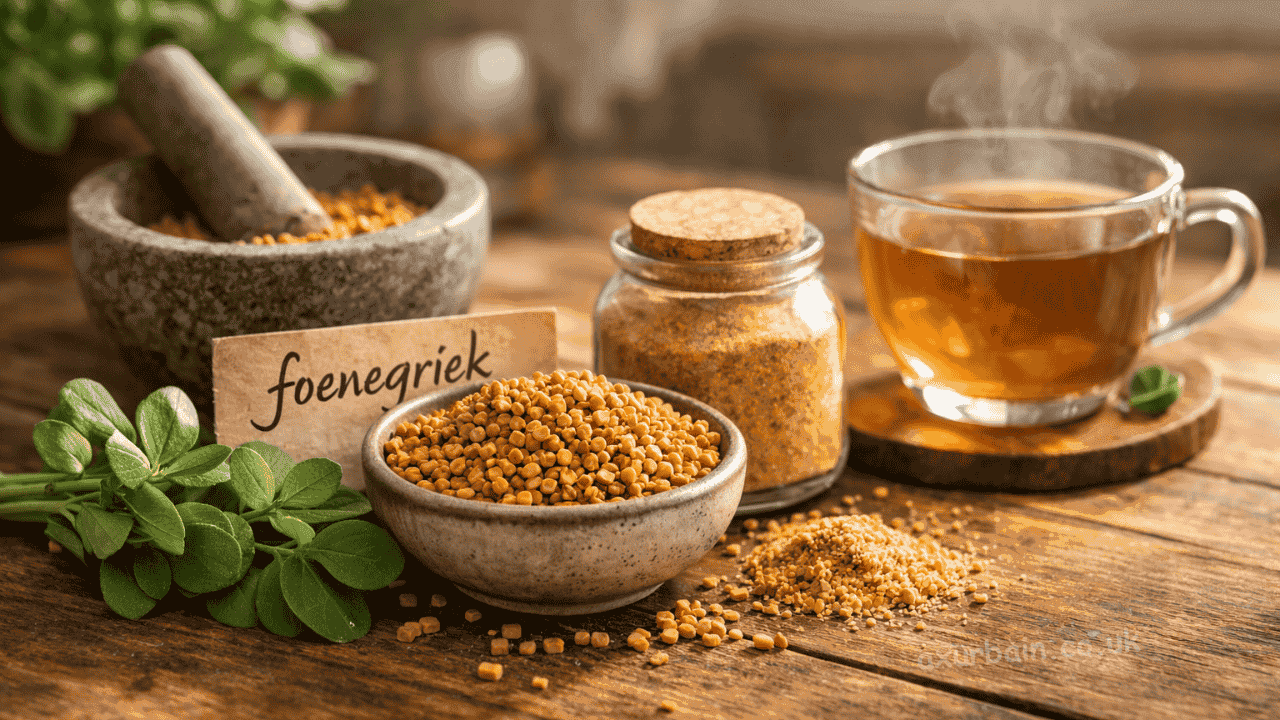
Foenegriek has quietly moved from old herbal cabinets and traditional kitchens into modern health conversations. You’ll see it in teas, capsules, spice blends, and home remedies passed down through families. Some people use it to support digestion, others swear by it for blood sugar balance, and many simply enjoy the deep, nutty flavor it adds to food. Whatever the reason, foenegriek has a long track record across cultures, and there’s enough real evidence behind it to make it more than just another trendy herb.
This guide breaks down what foenegriek really is, where it comes from, how people use it, what science says, and how you can work it into everyday life safely and practically.
What foenegriek actually is and where it comes from
Foenegriek is the Dutch and European name for fenugreek, a plant known scientifically as Trigonella foenum-graecum. It belongs to the legume family, the same group as beans and lentils. Both the seeds and the leaves are used, either as food or as herbal remedies.
The plant grows small green leaves and slender pods that contain yellow-brown seeds. These seeds are the part most people recognize. When crushed or roasted, they release a warm smell that reminds many people of maple syrup or toasted nuts.
Foenegriek has been grown for thousands of years across:
- India
- North Africa
- The Middle East
- Southern Europe
In India it’s called methi and is a common kitchen staple. In parts of Europe, it’s known as bokshoornklaver. No matter the name, the plant serves the same purpose: flavor and function.
A long history in traditional medicine and cooking
Long before supplements existed, people relied on plants like foenegriek for everyday health issues. Historical records show it was used in ancient Egypt, Greece, and Rome.
Traditionally, foenegriek was used for:
- Digestive problems
- Weak appetite
- Wound care
- Women’s health support
- General strength and recovery after illness
At the same time, it wasn’t just “medicine.” It was normal food. Families added the seeds to bread, stews, and porridges. The line between food and remedy didn’t really exist. If something tasted good and made you feel better, it stayed in the kitchen.
That practical mindset still makes sense today.
How foenegriek tastes and how it’s used in food
Taste matters. If something is healthy but unpleasant, most people won’t stick with it. Luckily, foenegriek has a strong but enjoyable flavor.
The seeds taste slightly bitter when raw but turn warm, nutty, and faintly sweet when roasted. Ground foenegriek is often part of curry powders and spice mixes. The fresh leaves are softer and slightly earthy, similar to spinach with a sharper edge.
Common culinary uses include:
- Mixed into curries and lentil dishes
- Added to spice blends
- Sprinkled into flatbreads or dough
- Brewed into herbal tea
- Soaked and sprouted for salads
If you cook Indian or Middle Eastern food, you’ve probably eaten foenegriek without realizing it.
Nutritional profile and active compounds
Foenegriek isn’t just flavor. It contains real nutrients that explain why people feel benefits.
The seeds provide:
- Dietary fiber
- Plant protein
- Iron
- Magnesium
- Antioxidants
- Natural plant compounds called saponins and alkaloids
The fiber content is especially high. That’s one reason foenegriek is often linked to better digestion and blood sugar control. Fiber slows down how fast carbohydrates are absorbed, which helps prevent spikes.
These compounds don’t act like strong drugs. Instead, they work gently over time, which is why consistent use matters more than large doses.
Foenegriek and blood sugar support
One of the most researched uses of foenegriek is blood sugar management.
Several small clinical studies have shown that taking foenegriek seeds or powder with meals may:
- Slow carbohydrate absorption
- Improve insulin response
- Reduce post-meal glucose spikes
The high soluble fiber forms a gel-like texture in the gut. That slows digestion and keeps sugar from entering the bloodstream too fast.
For people dealing with prediabetes or trying to stabilize energy levels during the day, adding small amounts of foenegriek to meals can be a practical strategy.
That said, it’s not a replacement for medication. Think of foenegriek as support, not a cure.
Effects on cholesterol and heart health
Foenegriek is also studied for its potential effect on cholesterol.
Some trials suggest it may help:
- Lower LDL cholesterol
- Reduce total cholesterol
- Support overall heart health
The same fiber that helps blood sugar likely plays a role here too. Fiber binds to cholesterol in the digestive tract and helps remove it from the body.
Again, the changes are moderate, not dramatic. But small improvements over time add up, especially when combined with better diet and exercise.
Foenegriek for digestion and appetite
Digestive comfort is one of the oldest uses of foenegriek.
People commonly use it to:
- Ease bloating
- Support bowel regularity
- Stimulate appetite
- Calm mild stomach discomfort
The mucilage (a gel-like substance) in the seeds can coat the surface of the stomach and intestines. This may soothe irritation and make digestion smoother.
If you struggle with occasional constipation or slow digestion, soaking foenegriek seeds overnight and drinking the water is a simple home remedy many cultures still use.
Women’s health and lactation support
Foenegriek is well known among breastfeeding mothers. It’s often used to help increase milk supply.
Traditionally, new mothers drank foenegriek tea or took capsules. Some modern studies suggest it may stimulate sweat glands, and since breast tissue is a modified sweat gland, this may explain the effect.
Beyond lactation, foenegriek contains plant compounds that behave mildly like estrogen. This has led to interest in its use for:
- Menstrual comfort
- Hormonal balance
- Menopause symptoms
The effects vary from person to person, but many women report noticeable benefits.
Possible effects on hormones and strength
Foenegriek has also entered the fitness world.
Some supplements aimed at men include foenegriek extract for potential support with:
- Testosterone levels
- Libido
- Physical performance
Research here is mixed but promising. The improvements tend to be small rather than dramatic. Still, for people already training and eating well, foenegriek may offer an extra edge.
How to use foenegriek in daily life
You don’t need complicated routines. Start simple.
Here are easy ways to include foenegriek:
- Add half a teaspoon of ground seeds to soups or curries
- Roast seeds lightly and sprinkle over vegetables
- Brew crushed seeds into tea
- Soak seeds overnight and drink the water
- Use standardized capsules if you prefer supplements
Food-based use is usually the safest place to begin. Supplements can come later if needed.
Safety, side effects, and precautions
Even natural herbs can cause problems if overused.
Possible side effects of foenegriek include:
- Gas or bloating
- Diarrhea
- Lower blood sugar
- Mild body odor with a maple-like smell
People who should be cautious:
- Those on diabetes medication
- Anyone with legume or peanut allergies
- Pregnant women (high doses are not advised)
Stick with moderate amounts and pay attention to how your body responds.
Conclusion
Foenegriek isn’t a miracle cure, and it doesn’t need to be. It’s a practical, food-based herb with a long history and steady benefits. It supports digestion, may help balance blood sugar and cholesterol, and has special uses in women’s health and traditional cooking.
What makes foenegriek valuable is how easy it is to use. You can cook with it, drink it as tea, or take it in capsule form. Small daily habits often work better than extreme fixes.
If you want something simple, affordable, and rooted in centuries of real-world use, foenegriek deserves a place in your kitchen.
FAQs
- What is foenegriek mainly used for
Foenegriek is commonly used for digestion, blood sugar balance, cholesterol support, and increasing milk supply in breastfeeding mothers. - Can I use foenegriek every day
Yes, small culinary amounts are generally safe for daily use. Supplements should be taken according to recommended doses. - How does foenegriek taste
It has a nutty, slightly bitter, warm flavor that becomes sweeter and richer when roasted. - Is foenegriek good for diabetes
Foenegriek may help stabilize blood sugar levels, but it should not replace medical treatment. Always consult a healthcare professional. - What is the best way to take foenegriek
You can cook with the seeds, drink it as tea, soak the seeds in water, or use capsules depending on your preference.