







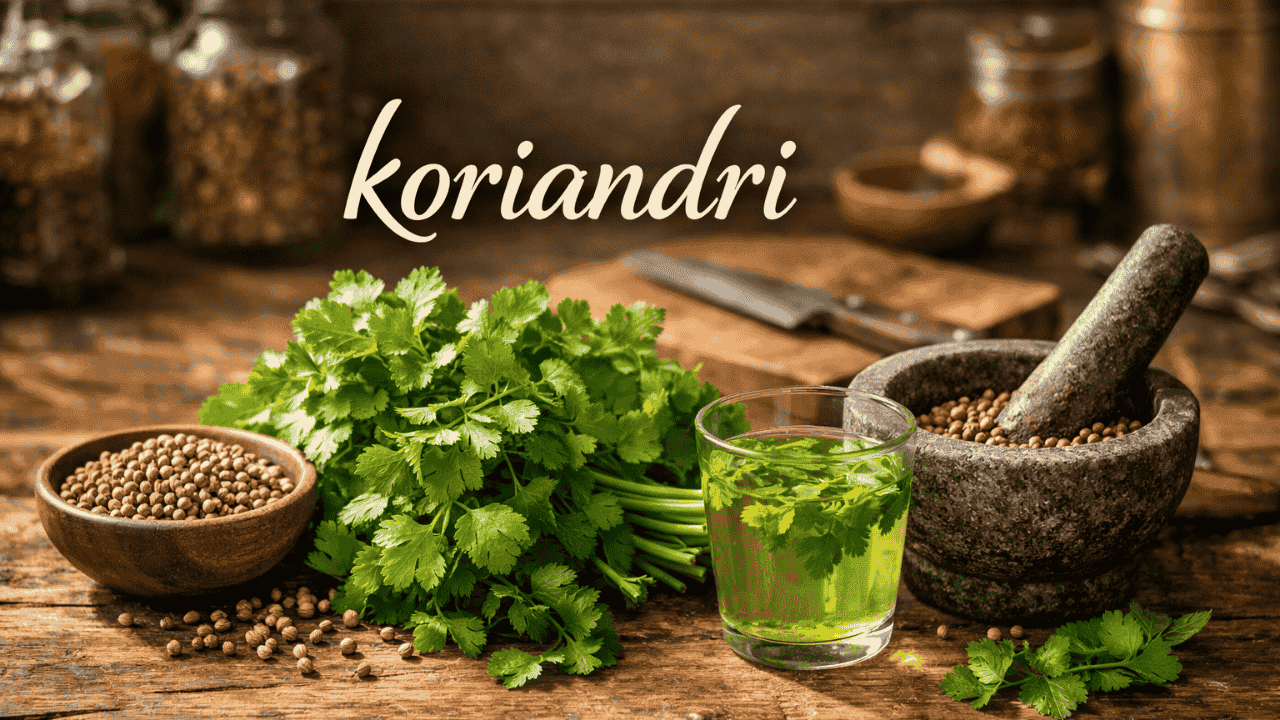
Fresh herbs and traditional spices often carry more value than people notice in daily cooking. One ingredient that has stayed consistent in kitchens across South Asia and the Middle East is koriandri. From simple home meals to restaurant dishes, this familiar ingredient holds a strong place in both flavor and wellness routines. Its presence goes beyond taste, touching health, culture, and traditional practices that have been passed down for generations.
Many households use koriandri without thinking about its wider role. It appears in chutneys, curries, spice blends, and even home remedies. Once you start paying attention, you realize how deeply it is woven into everyday food and health habits.
The origin and background of koriandri in daily life
Koriandri has a long history that stretches back thousands of years. Ancient civilizations used it not only in food but also in traditional medicine and rituals. Historical records show that coriander seeds were found in Egyptian tombs and were used in early herbal treatments across Asia and the Mediterranean.
Over time, koriandri spread through trade routes and became a regular part of regional cuisines. In Pakistan, India, and the Middle East, it became a kitchen essential. Its adaptability allowed it to fit into both simple home cooking and complex traditional dishes.
Today, koriandri continues to be grown globally. Farmers cultivate it for both domestic consumption and export. Its consistent demand comes from food industries, spice markets, and households that rely on it daily.
Nutritional strength that supports everyday health
Koriandri offers more than aroma and taste. It contains nutrients that support overall well-being and make it valuable in a balanced diet.
The leaves provide:
- Vitamin A for eye health
- Vitamin C for immunity
- Vitamin K for bone support
- Natural antioxidants
The seeds contain:
- Fiber for digestion
- Calcium and magnesium for bones
- Iron for blood health
- Natural plant compounds that support metabolism
Adding koriandri to meals helps increase nutrient intake without adding extra calories. It fits easily into both light and heavy meals, making it a practical choice for people who want healthier cooking without changing their entire diet.
Health benefits associated with regular koriandri use
Traditional households have used koriandri for wellness long before modern nutrition studies highlighted its value. Its natural compounds support different parts of the body when consumed as part of a balanced diet.
Digestive support and stomach comfort
Koriandri has long been used to support digestion. Many families use coriander seed water or add it to meals after heavy foods to ease stomach discomfort. It may help reduce bloating and support smoother digestion after large or spicy meals.
People who experience mild indigestion often include koriandri in their diet because of its gentle effect on the digestive system.
Blood sugar balance and metabolism
Some traditional practices use koriandri seeds in morning drinks or herbal mixtures. The seeds contain compounds that may support healthy blood sugar levels when combined with proper diet and lifestyle habits. This makes koriandri a common ingredient in home remedies for metabolic balance.
Support for heart health
Regular use of koriandri in cooking can contribute to heart health. Its natural plant compounds and minerals support healthy cholesterol levels and circulation. Including it in meals with vegetables and whole foods strengthens its benefits.
Natural antibacterial and anti-inflammatory properties
Koriandri contains natural oils that show antibacterial activity. These properties have made it useful in traditional remedies for minor infections and inflammation. Many cultures include it in herbal mixtures meant to support immune strength.
Skin and internal cleansing support
Some people use koriandri in detox-style drinks or herbal waters. While it is not a medical treatment, its antioxidants and natural compounds support internal balance and hydration. This connection between diet and skin health keeps koriandri popular in home wellness practices.
Everyday culinary uses that keep koriandri essential
Koriandri fits into almost every type of savory cooking. Its versatility allows it to work in both simple and complex recipes.
Common kitchen uses include:
- Adding fresh leaves to curries and rice
- Mixing into chutneys and sauces
- Using roasted seeds in spice blends
- Grinding seeds into homemade masala
- Sprinkling fresh leaves over salads and snacks
Roasting koriandri seeds before grinding enhances aroma and flavor. Many chefs prefer roasting because it brings out warm, nutty notes that improve the depth of dishes.
In traditional cooking, koriandri balances strong spices. It softens heat and adds freshness to meals that might otherwise feel heavy.
The role of koriandri in traditional home remedies
Across South Asia, koriandri appears in home-based wellness practices. These remedies are passed through generations and remain common in many households.
Popular uses include:
- Soaking seeds overnight and drinking the water in the morning
- Adding to herbal teas for digestion
- Mixing with other spices for seasonal health support
- Using fresh leaves in cooling summer drinks
These practices reflect cultural habits rather than medical prescriptions, but they show how deeply koriandri is connected to daily life and traditional knowledge.
Growing koriandri at home for fresh use
Many households prefer growing koriandri at home because it grows quickly and requires little space. A small pot or garden patch can produce fresh leaves within weeks.
Basic growing tips:
- Use well-drained soil
- Provide moderate sunlight
- Water regularly but avoid overwatering
- Harvest leaves early for best flavor
Homegrown koriandri often tastes fresher than store-bought options. It also allows people to use it freely without worrying about cost or availability.
Storage and preparation tips for better flavor
Keeping koriandri fresh and aromatic requires proper storage. Fresh leaves should be washed, dried, and stored in the refrigerator. Wrapping them in a paper towel helps maintain freshness longer.
Seeds should be stored in airtight containers away from moisture and heat. Grinding small batches ensures stronger flavor compared to pre-ground spice that sits on shelves for months.
Simple preparation habits can improve both taste and nutritional value.
Cultural and culinary importance across regions
Koriandri holds cultural significance in many regions. It appears in festive dishes, everyday meals, and even ceremonial foods. In South Asian cuisine, it is considered essential for balancing flavors.
Restaurants and street food vendors rely on koriandri to finish dishes with freshness and aroma. Without it, many traditional recipes feel incomplete. Its presence connects modern cooking with older culinary traditions that still shape local food culture.
Why koriandri remains relevant in modern kitchens
Even as new ingredients and global flavors enter local markets, koriandri continues to hold its place. It adapts easily to modern cooking styles, including healthy meal prep and fusion recipes.
Reasons it remains popular:
- Affordable and widely available
- Easy to grow at home
- Adds flavor without heavy calories
- Supports balanced cooking
- Works in both traditional and modern dishes
Its flexibility keeps it relevant for both experienced cooks and beginners learning to cook at home.
Conclusion
Koriandri stands as more than a simple kitchen ingredient. Its history, nutritional value, and everyday usefulness make it a lasting part of food culture across many regions. From enhancing flavor to supporting basic wellness habits, it fits naturally into daily routines.
Whether used fresh in meals, added to spice blends, or included in traditional drinks, koriandri continues to prove its value in practical ways. Its presence in kitchens around the world reflects both tradition and convenience, showing how a simple ingredient can remain important across generations.
FAQs
1. Can koriandri be used daily in food?
Yes, koriandri can be used daily in normal cooking amounts. It adds flavor and nutrients without heavy calories.
2. Is fresh koriandri better than dried seeds?
Both have value. Fresh leaves provide vitamins, while seeds offer minerals and fiber. Using both gives balanced benefits.
3. How should koriandri seeds be stored?
Store them in an airtight container away from heat and moisture to keep their aroma and flavor strong.
4. Can koriandri be grown indoors?
Yes, koriandri grows well in pots near sunlight. Regular watering and proper drainage help it grow quickly.
5. Why is koriandri used so widely in cooking?
Its ability to balance flavors, support digestion, and enhance aroma makes koriandri a staple in many cuisines.