







Vitiligo is a condition that affects both appearance and confidence, which is why products like Vitilinox are getting attention online. Many people dealing with uneven skin pigmentation start searching for alternatives beyond medical treatments, and that is where Vitilinox often shows up. It is commonly presented as a natural option that supports skin repigmentation, but the reality behind it is not always clear. Some sources treat it like a breakthrough, while others see it as just another skincare trend. To understand whether Vitilinox deserves attention, it helps to break it down carefully and look at what it actually offers.
Understanding Vitiligo and Why People Seek Alternatives
Vitiligo is a condition where patches of skin lose their natural color due to the destruction of melanocytes, the cells responsible for producing melanin. This process is often linked to autoimmune reactions, although the exact cause is still not fully understood. The condition affects people differently, with some experiencing small patches and others dealing with widespread depigmentation. Because there is no permanent cure, treatment usually focuses on managing the condition rather than reversing it completely. This uncertainty pushes many people to explore products like Vitilinox in hopes of finding additional support.
The emotional side of vitiligo is just as important as the physical symptoms. People often deal with self-consciousness, social anxiety, and frustration when treatments do not deliver consistent results. Traditional options like steroid creams or light therapy can be slow, expensive, or come with side effects. That gap between expectations and reality creates demand for alternatives that feel safer and more accessible. Vitilinox enters this space as a product that claims to support the skin naturally. That positioning alone makes it appealing to a large audience.
What Vitilinox Really Is
Vitilinox is not a single standardized product with a fixed formula. Instead, it is more like a label used for different creams or supplements that target vitiligo symptoms. Depending on where you find it, Vitilinox can come in topical or oral forms, each with slightly different ingredients. This lack of consistency makes it harder to evaluate its effectiveness as one unified solution. Some versions focus on herbal blends, while others combine vitamins and skincare compounds.
What stays consistent is the way Vitilinox is marketed. It is usually described as a natural or alternative solution aimed at improving skin tone and reducing white patches. The branding often leans on the idea of restoring balance within the skin rather than aggressively treating the condition. That approach attracts people who want something gentler than medical treatments. Still, the variation between products means users need to be cautious about what they are actually buying.
Common Ingredients Found in Vitilinox Products
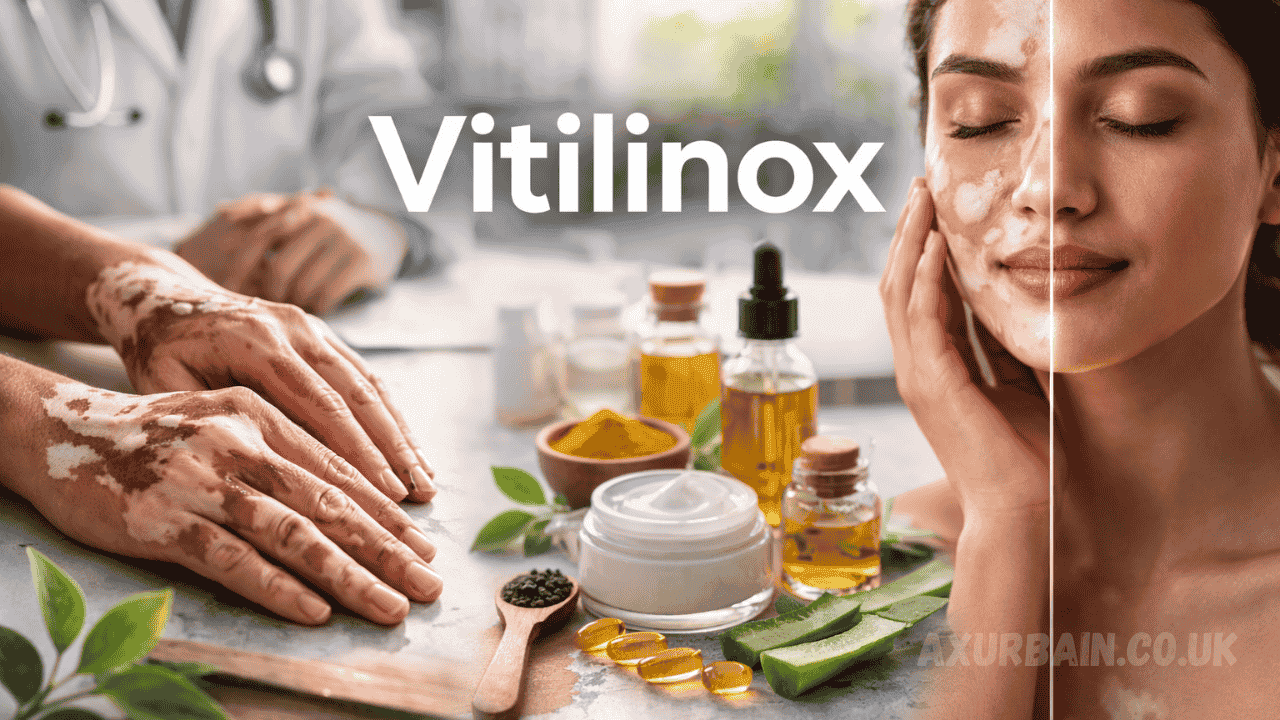
The ingredients used in Vitilinox formulas are one of the main reasons people are drawn to it. These formulations often combine herbal extracts with vitamins and minerals linked to skin health. While the exact mix varies, there are some recurring components that show up frequently. Understanding these ingredients helps clarify what Vitilinox is trying to achieve.
Here are some commonly included ingredients:
- Ginkgo biloba, often used for its antioxidant properties
- Turmeric or curcumin, known for reducing inflammation
- Vitamin B12 and folic acid, associated with skin pigmentation support
- Zinc and copper, both involved in melanin production
- L-phenylalanine, sometimes used in pigmentation therapies
In addition to these, some versions of Vitilinox include traditional herbal elements like babchi or black seed oil. Others lean more toward cosmetic skincare ingredients such as hyaluronic acid and vitamin E. This blend of traditional and modern components gives Vitilinox a broad appeal. However, the effectiveness depends more on how these ingredients work together than on their individual benefits.
How Vitilinox Is Claimed to Work
Most descriptions of Vitilinox follow a similar explanation of how it supports the skin. The idea is that a combination of antioxidants and nutrients helps protect and stimulate melanocytes. By reducing oxidative stress, the skin may become more capable of producing melanin again. Some formulations also aim to calm immune responses that may contribute to pigment loss. These claims sound promising, but they are largely based on general ingredient research rather than product-specific studies.
The typical process promoted by Vitilinox includes several steps:
- Reducing damage caused by free radicals
- Supporting the function of pigment-producing cells
- Encouraging gradual repigmentation
- Improving overall skin hydration and texture
While this explanation makes sense in theory, real-world results vary widely. Not everyone responds the same way, and changes in pigmentation can take a long time. Vitilinox is usually positioned as a supportive option rather than a direct treatment. That distinction is important for setting realistic expectations.
Why Vitilinox Has Gained Popularity
The rise of Vitilinox is closely tied to how people approach skincare today. There is a growing preference for products that feel natural and less aggressive. Many users are actively trying to avoid long-term reliance on prescription treatments. Vitilinox fits into that mindset by offering a more approachable option. It promises support without the intensity of medical intervention.
Another reason for its popularity is the way it is presented online. Marketing often highlights before-and-after stories and personal experiences. These narratives can be powerful, especially for people who feel stuck with their condition. The idea that Vitilinox could offer visible improvement without harsh side effects is appealing. However, personal stories do not replace scientific validation, which is something readers should keep in mind.
Limitations and Concerns You Should Know
Despite its appeal, Vitilinox comes with several limitations that should not be ignored. The biggest issue is the lack of standardization across products using the name. Without a consistent formula, it becomes difficult to measure effectiveness or compare results. There is also limited clinical research specifically focused on Vitilinox as a product. Most claims are based on the known properties of individual ingredients rather than tested outcomes.
Some key concerns include:
- No official approval as a medical treatment
- Inconsistent ingredient quality across brands
- Results that vary from person to person
- Slow or minimal visible changes in many cases
It is also important to understand that Vitilinox should not replace professional medical advice. People dealing with vitiligo should still consult dermatologists for proper diagnosis and treatment planning. Using Vitilinox as a complementary approach may make sense, but relying on it alone can lead to disappointment. A balanced perspective helps avoid unrealistic expectations.
Who Might Consider Using Vitilinox
Vitilinox may appeal to people who are looking for additional support rather than a primary solution. Those who prefer natural or herbal-based products often find it worth trying. It can also be an option for individuals who want to experiment with skincare routines alongside medical treatments. However, it is not suitable for everyone, especially those expecting fast or dramatic results.
People who might consider Vitilinox include:
- Individuals with mild or early-stage vitiligo
- Those exploring non-prescription skincare options
- Users interested in herbal or nutrient-based support
- People willing to commit to long-term use
Even for these groups, patience is essential. Changes in skin pigmentation do not happen quickly, and consistency plays a major role. Vitilinox should be seen as part of a broader approach rather than a standalone fix. Keeping expectations realistic will lead to a better overall experience.
Final Thoughts on Vitilinox
Vitilinox sits in a space between skincare and alternative support for vitiligo. It draws attention because it offers a different approach compared to traditional treatments. The mix of herbal and modern ingredients gives it a unique identity, but it also creates inconsistency across products. While some users may notice improvements, the lack of strong clinical backing makes it difficult to rely on as a primary solution.
The most practical way to view Vitilinox is as a supportive option rather than a cure. It may help improve skin condition or complement other treatments, but it is not a guaranteed answer. Anyone considering Vitilinox should take time to research the specific product they are using and stay realistic about outcomes. In the end, managing vitiligo often requires a combination of approaches, not a single product.
Frequently Asked Questions
What is Vitilinox used for?
Vitilinox is commonly used as a skincare or supplement product aimed at supporting people with vitiligo. It is marketed to help improve skin pigmentation and reduce visible white patches.
Is Vitilinox a medical treatment?
Vitilinox is not an approved medical treatment. It is usually sold as a cosmetic or alternative product rather than a clinically proven solution.
How long does Vitilinox take to show results?
Results can vary widely, but most users report that any visible changes take several weeks or months. Consistent use is often required to notice even minor improvements.
Are there any side effects of Vitilinox?
Side effects depend on the specific formulation, but most versions are designed to be gentle. However, skin irritation or allergic reactions are still possible in some cases.
Can Vitilinox cure vitiligo?
Vitilinox is not a cure for vitiligo. It may provide supportive benefits, but it does not address the underlying causes of the condition.