









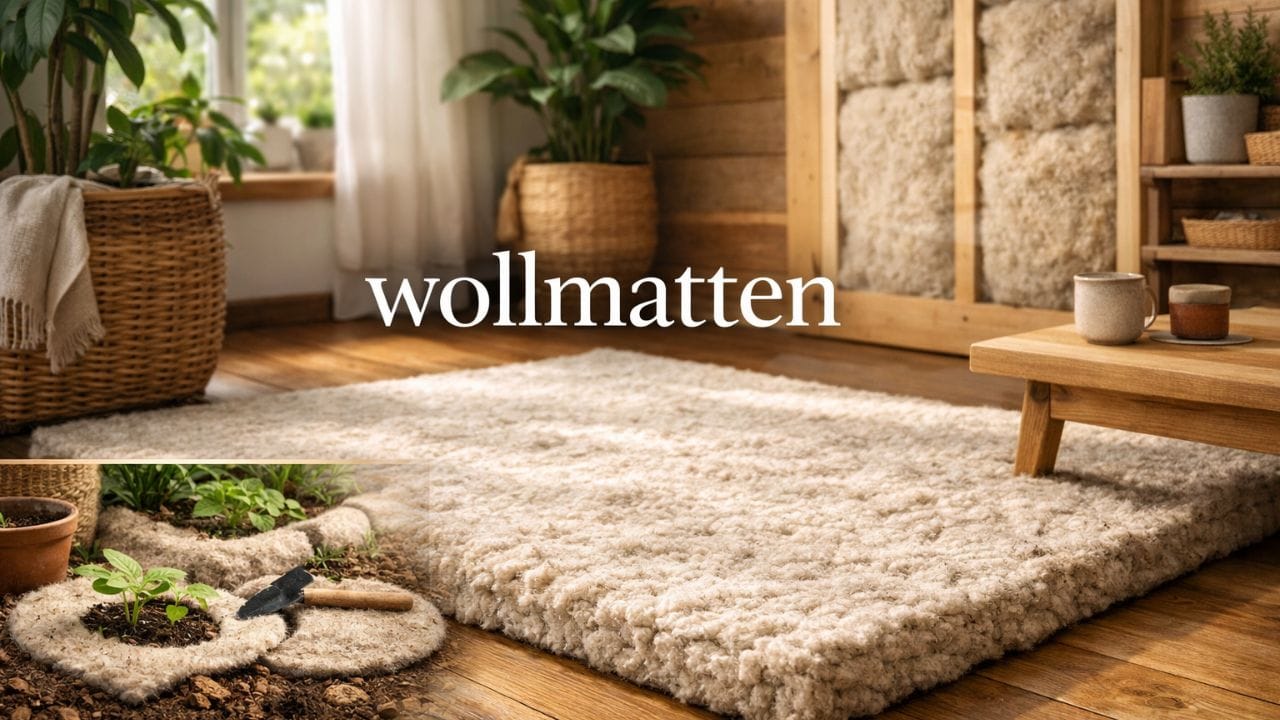
Natural materials are making a steady return to homes, gardens, and building projects. Among them, wool-based products are getting renewed attention for their durability and environmental value. One product gaining popularity across several industries is wollmatten. From interior design to agriculture and construction, these wool mats are being used in ways that go far beyond simple flooring.
Wollmatten combine traditional wool craftsmanship with practical modern uses. Their ability to regulate temperature, retain moisture, and decompose naturally makes them useful in both residential and commercial settings. This guide explains what they are, how they are made, where they are used, and why they continue to grow in demand.
what wollmatten are and where they come from
The term wollmatten comes from German, where “woll” means wool and “matten” means mats. In simple terms, wollmatten are mats created from sheep wool fibers that are pressed, felted, or woven together into thick sheets. These mats can vary in density, thickness, and finish depending on their intended use.
Wool has been used for centuries as a textile material because of its insulating and moisture-regulating properties. The concept of wollmatten developed from traditional felt-making practices, where raw wool fibers are compressed using heat, moisture, and pressure until they bind together into a solid structure.
Today, wollmatten production often uses both new and recycled wool. Lower-grade wool that may not be suitable for clothing is cleaned and repurposed into mats. This not only reduces waste but also adds value to wool that might otherwise be discarded.
how wollmatten are produced from raw wool
The manufacturing process for wollmatten follows several stages that transform raw wool into durable mats. While methods vary slightly depending on the producer and purpose, the core process remains consistent.
First, raw sheep wool is collected and thoroughly cleaned to remove dirt, grease, and impurities. After cleaning, the wool is carded. Carding involves combing the fibers to align them in one direction and remove any remaining debris.
Once the fibers are prepared, they are shaped into layers and compressed. Heat and moisture are applied while pressure is used to bind the fibers together through a felting process. This creates dense sheets of wool that can be cut into different sizes and thicknesses.
Some wollmatten are woven rather than felted. Woven mats use wool yarns arranged in tight patterns to create strong and flexible mats. After shaping, mats may be trimmed, washed, and finished depending on their intended use.
The production process typically avoids harsh chemicals, making wollmatten a more natural alternative to synthetic mats.
You may like also: bảce and the Quiet Power of Words, Places, and Intentional Ambiguity
main uses of wollmatten in modern settings
Wollmatten are no longer limited to simple household use. They now serve multiple industries due to their versatility and performance.
home and interior applications
Many homeowners choose wollmatten for their comfort and insulation. These mats provide warmth underfoot and improve indoor acoustics by absorbing sound. Their natural texture also adds visual appeal to living spaces.
Common uses inside homes include:
- floor coverings for living rooms and bedrooms
- wall panels for sound absorption
- yoga or meditation mats
- decorative rugs and runners
- insulation layers beneath flooring
Wollmatten also help regulate indoor humidity. Wool fibers can absorb and release moisture without feeling damp, which helps maintain a balanced indoor environment.
construction and insulation purposes
Builders and architects are increasingly exploring wool-based materials for sustainable construction. Wollmatten work well as insulation because wool naturally traps air within its fibers, slowing heat transfer.
In construction, wollmatten are used for:
- wall insulation
- roof insulation
- soundproofing panels
- underfloor thermal layers
These mats can improve energy efficiency by keeping indoor temperatures stable. They also contribute to better air quality, as wool fibers can absorb certain airborne pollutants.
agriculture and gardening benefits
One of the most interesting uses of wollmatten is in agriculture and landscaping. Wool fibers can hold significant amounts of water while still allowing air circulation. This makes them valuable in soil management.
Gardeners and farmers use wollmatten for:
- moisture retention around plant roots
- weed suppression without chemicals
- soil temperature regulation
- erosion control on slopes
- natural fertilization as wool decomposes
Wool contains nitrogen, which is slowly released into the soil as the material breaks down. This provides long-term nourishment for plants.
environmental advantages of using wollmatten
Sustainability is a major reason why wollmatten are gaining attention. Unlike synthetic mats made from plastic or petroleum-based materials, wool mats are biodegradable and renewable.
Several environmental benefits stand out:
- made from renewable sheep wool
- biodegradable at end of life
- reduces reliance on synthetic materials
- supports recycling of low-grade wool
- lower environmental impact during production
When disposed of, wollmatten naturally break down and return nutrients to the soil. This makes them suitable for eco-conscious consumers looking to reduce waste.
functional benefits that make wollmatten practical
Beyond environmental value, wollmatten offer practical performance advantages that explain their growing popularity.
Wool fibers can absorb moisture up to 20–30 times their weight while still feeling dry. This makes wollmatten useful in both homes and gardens. They regulate temperature effectively, keeping spaces warm in winter and cool in summer.
Key functional benefits include:
- strong insulation against heat and cold
- natural sound absorption
- long lifespan with proper care
- resistance to compression
- breathable structure that prevents mold buildup
Wool’s natural elasticity allows mats to maintain their shape even under heavy use. This durability means wollmatten often last longer than many synthetic alternatives.
different types of wollmatten available today
Not all wollmatten are the same. Different types are designed for specific uses, and understanding the differences helps in choosing the right one.
Common types include:
felted wollmatten
These are dense and thick mats made through compression. They are commonly used for insulation and flooring.
woven wollmatten
These mats are created by weaving wool fibers together. They are flexible and often used for decorative or interior purposes.
garden wollmatten
Designed for agriculture, these mats focus on moisture retention and soil improvement. They gradually decompose and enrich the soil.
decorative wollmatten
Used in interior design, these mats combine function with style. They are available in different textures and natural colors.
insulation wollmatten
Specially produced for construction projects, these mats provide thermal and acoustic insulation for walls and floors.
how to choose the right wollmatten for your needs
Choosing the right wollmatten depends on how and where they will be used. Thickness, density, and finish all play a role in performance.
Consider the following before buying:
- purpose of use such as home, garden, or construction
- thickness required for insulation or comfort
- durability for high-traffic areas
- ease of maintenance
- natural or blended wool composition
For indoor use, softer and more refined wollmatten are ideal. For gardening or construction, denser and thicker mats perform better.
why demand for wollmatten continues to grow
Interest in sustainable living has pushed natural materials back into focus. As more people look for alternatives to plastic-based products, wollmatten are gaining attention across global markets.
Designers appreciate their natural texture and performance. Builders value their insulation properties. Gardeners rely on their ability to improve soil health. This broad usefulness keeps demand strong.
Wollmatten also align with circular economy practices. By using wool that might otherwise go to waste, these mats turn a byproduct into something valuable and long-lasting.
practical points to remember about wollmatten
- wool mats are naturally biodegradable
- they offer strong thermal and acoustic insulation
- they support sustainable farming and recycling
- they improve soil health when used in gardens
- they provide long-term durability with minimal maintenance
These qualities explain why wollmatten are now used in homes, farms, and construction projects around the world.
conclusion
Wollmatten represent a practical return to natural materials that perform well across different environments. Their ability to insulate, regulate moisture, and decompose naturally makes them useful in homes, gardens, and building projects. As more people move toward sustainable choices, wool-based products continue to gain importance.
From interior comfort to agricultural benefits, wollmatten provide a balance of durability and environmental responsibility. Their growing presence in modern spaces shows that traditional materials still have a strong place in contemporary living.
faqs
what are wollmatten made from
Wollmatten are made from sheep wool fibers that are cleaned, carded, and felted or woven into dense mats.
are wollmatten eco friendly
Yes, wollmatten are biodegradable, renewable, and often made from recycled wool, making them an environmentally friendly option.
can wollmatten be used in gardening
Wollmatten are widely used in gardening for moisture retention, weed control, and improving soil health as they slowly decompose.
do wollmatten provide insulation
Wollmatten offer excellent thermal and sound insulation due to the natural structure of wool fibers that trap air and reduce heat transfer.
how long do wollmatten last
With proper care, wollmatten can last for many years indoors and provide long-term benefits in outdoor or agricultural use.