








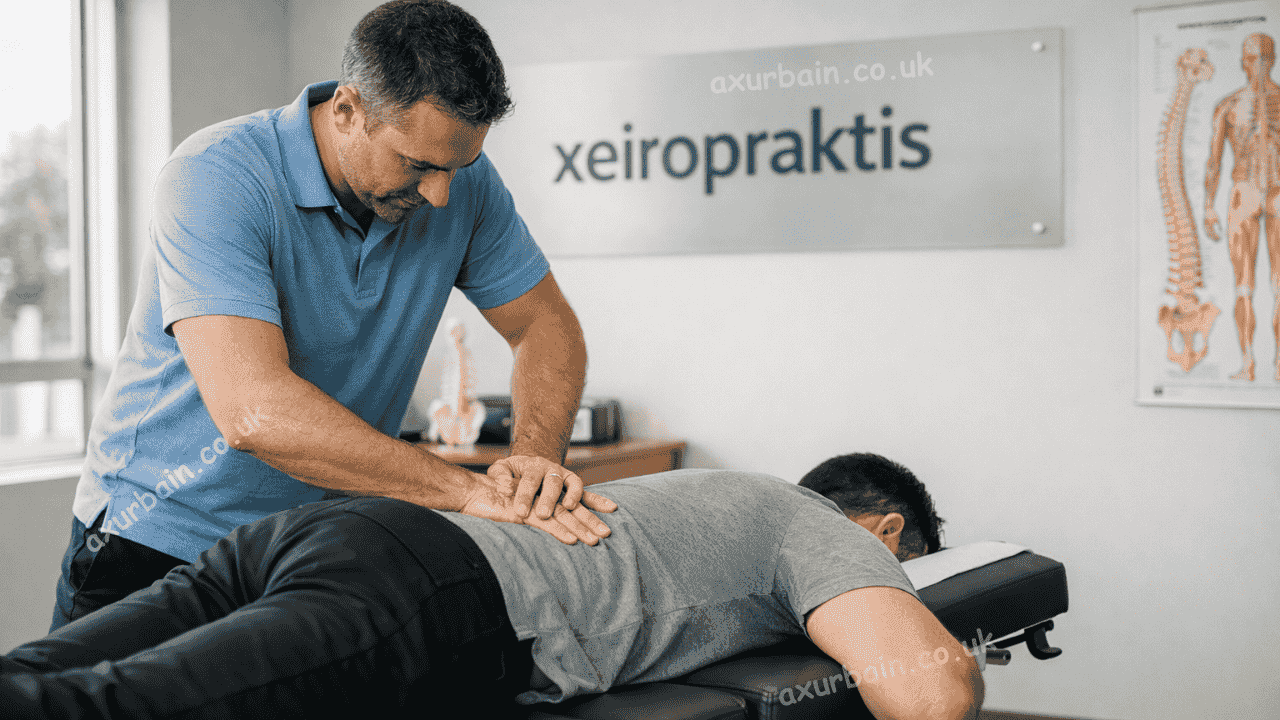
Back pain has a way of shrinking your world. You stop lifting things. You skip workouts. Long drives feel like punishment. That slow, stubborn ache becomes background noise until it suddenly isn’t. That’s where xeiropraktis care earns its place. Not as a trendy wellness add-on, but as a hands-on, straightforward way to deal with joints that don’t move the way they should.
Plenty of people waste months stretching blindly or swallowing painkillers before booking an appointment. In my experience, that delay costs more time than the treatment ever will.
Where xeiropraktis fits in modern healthcare
Most clinics that offer xeiropraktis focus on a simple goal: get stiff joints moving and irritated nerves to calm down. That’s it. No grand promises. No miracle cures. Just mechanical problems handled with mechanical solutions.
The approach centers on the spine because the spine carries load, movement, and nerve traffic all day long. Sit badly at a desk for eight hours and something locks up. Lift a heavy box with a twist and something protests. Sleep wrong and your neck refuses to turn.
A skilled xeiropraktis doesn’t treat those problems like mysteries. They treat them like hinges that need oil or alignment.
The visit usually starts with a physical exam: posture check, range of motion tests, palpating the joints with their hands, sometimes imaging if there’s a red flag. Then comes manual work—targeted adjustments, mobilization, and soft-tissue release. It’s practical and direct.
No one is lighting candles or talking about energy fields. It’s bones, muscles, and leverage.
What actually happens during an appointment
People imagine dramatic cracking and twisting. That’s only part of the picture.
A typical xeiropraktis session looks more methodical than theatrical. The practitioner studies how you stand, how you walk, how far you can rotate your neck. They test which movements hurt and which feel blocked.
Then they work.
You might lie on a padded table while they apply a quick, controlled thrust to a stiff joint. You might feel a pop. That sound is just gas releasing from the joint capsule, not bones grinding together like the internet myths suggest.
Between adjustments, they often loosen tight muscles by hand. Some use tools to assist with small, precise movements. Others finish with simple rehab drills: glute activation, core work, or posture cues you can repeat at home.
A good xeiropraktis doesn’t want you dependent. They want you moving better on your own.
The problems xeiropraktis handles best
Let’s be honest about scope. Xeiropraktis shines in musculoskeletal pain. It’s strongest when the issue is mechanical.
Back pain after long sitting.
Neck stiffness from screen time.
Tension headaches that start at the base of the skull.
Shoulder or hip joints that feel “stuck.”
These cases respond fast because they’re about motion, not disease.
I’ve seen people walk in barely able to turn their head and leave with half their range back. Not cured forever, but noticeably better the same day. That kind of immediate feedback builds trust.
Where xeiropraktis struggles is anything systemic—hormonal issues, infections, internal organ disease. That’s not the job. A serious practitioner will refer you out instead of pretending they can fix everything with an adjustment.
That honesty matters.
Why people keep coming back
Pain relief is the hook. Function is the reason they stay.
After a few sessions of xeiropraktis care, people often notice smaller changes: they sleep deeper, their posture improves without thinking, their gym sessions feel smoother, they stop bracing every time they bend to tie their shoes.
These improvements don’t feel dramatic. They feel normal. And normal is powerful.
There’s also something underrated about hands-on treatment. In a world of screens and prescriptions, a practitioner using their hands to assess and treat you feels grounded. It’s direct feedback between human bodies. No guesswork.
That tactile element builds confidence in the process.
The history that shaped today’s practice
Xeiropraktis didn’t appear out of thin air. It grew from late 19th-century manual therapy traditions, then spent decades fighting for legitimacy. Early practitioners were dismissed or sidelined. Over time, training standards tightened, colleges formed, and licensing boards stepped in.
Today, most xeiropraktis professionals complete years of education focused on anatomy, biomechanics, neurology, and clinical practice. They’re not hobbyists cracking backs in a strip mall. They’re regulated healthcare providers in many countries.
The field matured because it had to. Sloppy methods don’t survive long when people are trusting you with their spine.
How xeiropraktis compares with physical therapy and massage
This is where people get confused, so let’s separate the roles.
Massage is great for muscle relaxation and stress relief. It helps circulation and reduces tension, but it rarely changes joint mechanics in a lasting way.
Physical therapy excels at rehabilitation. You get structured exercises, strength work, and long-term movement correction. It’s ideal after surgery or injury.
Xeiropraktis sits between those two. It tackles joint restriction quickly and often pairs that with simple corrective exercises.
If your problem is acute stiffness or sharp mechanical pain, xeiropraktis often works faster. If you need months of rebuilding strength, physical therapy might take the lead. Smart clinics even collaborate.
It’s not a competition. It’s matching the tool to the problem.
Safety, risks, and realistic expectations
Let’s cut through the fear stories.
Most xeiropraktis treatments cause mild soreness at worst—the same kind you feel after a tough workout. Serious complications are rare when care is delivered by a trained professional who screens properly.
Still, it’s not for everyone.
If someone has fractures, advanced osteoporosis, or certain neurological symptoms, adjustments might be inappropriate. That’s why assessment comes first. Anyone skipping that step is a red flag.
And expectations matter. One visit won’t undo years of bad posture. You might need a short series of sessions, plus changes in how you sit, train, and sleep.
Xeiropraktis can open the door. You still have to walk through it.
Choosing the right xeiropraktis clinic
Not all clinics feel the same, and you shouldn’t pick blindly.
Look for a xeiropraktis who explains what they’re doing without jargon. They should outline a plan, not sell you a lifetime contract. If someone insists you need prepaid packages for the next year before even touching you, walk out.
Pay attention to how they assess you. Do they test movement and ask detailed questions, or do they rush straight to cracking? The first approach shows thinking. The second shows routine.
Trust your instincts. Good care feels collaborative, not sales-driven.
What long-term care actually looks like
Here’s the part people don’t say out loud: xeiropraktis works best when paired with personal responsibility.
You can’t get adjusted once a week and then spend 10 hours slouched at a laptop expecting miracles.
The patients who get lasting results do small things daily. They strengthen their core. They adjust their chair height. They take walking breaks. They treat appointments as tune-ups, not rescue missions.
Used this way, xeiropraktis becomes maintenance, like servicing a car before it breaks down.
That’s a smarter relationship with your body.
The takeaway
If your joints feel locked, your neck barely turns, or your lower back nags you every morning, ignoring it won’t make you tougher. It just makes you slower. Xeiropraktis offers a practical fix for problems that are mechanical at their core. Get assessed, get moving again, and stop pretending pain is normal.
Book the appointment. Test it for yourself. You’ll know quickly whether it helps.
FAQs
How soon should I expect results after my first xeiropraktis visit?
Plenty of people feel lighter or looser the same day. For stubborn issues, expect a handful of sessions before changes stick.
Does every adjustment make that popping sound?
No. Some joints release gas and pop, others move quietly. The sound isn’t a sign of success.
Can I exercise after a xeiropraktis session?
Light movement is usually fine and often encouraged. Heavy lifting right away might be uncomfortable if you’re sore.
How often should I go for maintenance?
After the initial problem settles, many people go once every few weeks or monthly. It depends on workload, posture habits, and activity level.
What’s a red flag when choosing a xeiropraktis provider?
Anyone promising to cure unrelated diseases or pushing expensive long-term contracts before evaluating you. Stick with clinics that explain, assess, and tailor care.