







Across Mediterranean markets and Asian orchards, žižole has quietly built a reputation as a sweet, resilient fruit with deep roots in traditional diets. Often overlooked beside more familiar fruits, žižole carries a long agricultural history, impressive nutritional value, and a growing place in modern kitchens. Its crisp texture when fresh and chewy sweetness when dried make it both a snack and an ingredient worth understanding.
The story of žižole stretches across centuries and continents. From ancient Chinese cultivation to present-day use across Europe and South Asia, this fruit continues to attract attention for its taste and health potential.
understanding what žižole actually is
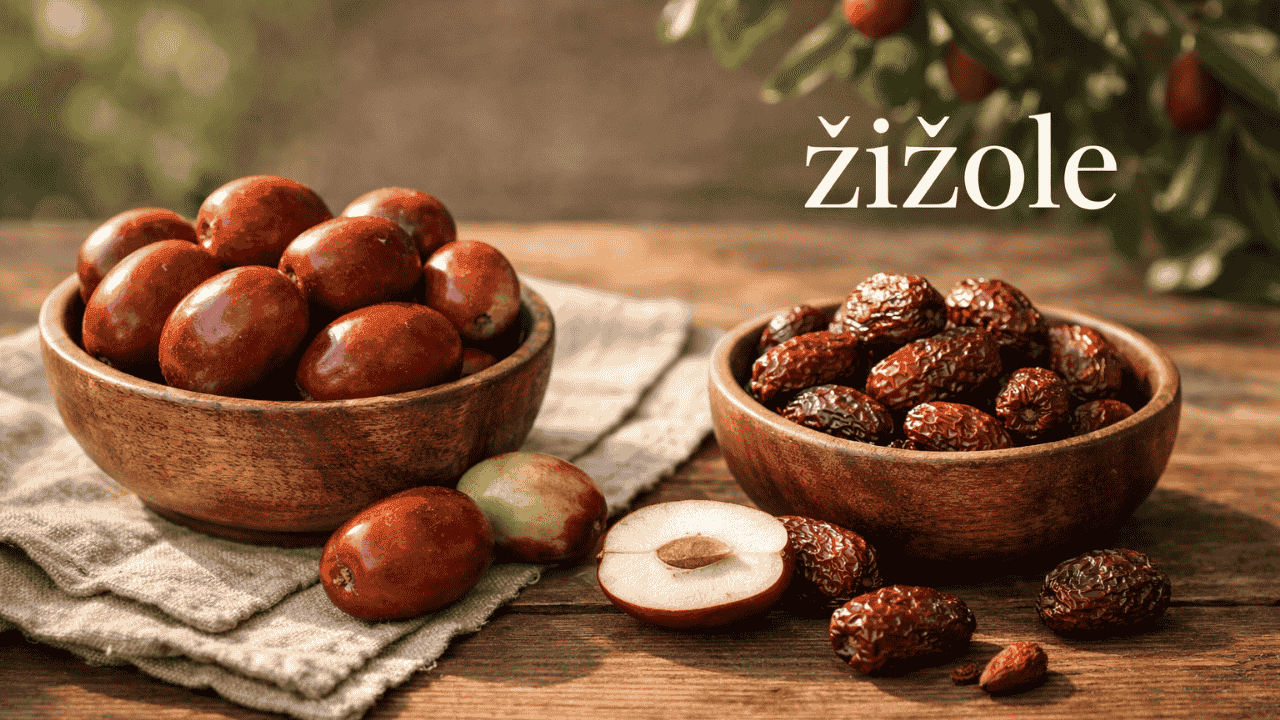
žižole is the fruit of the jujube tree, scientifically known as Ziziphus jujuba. The fruit starts small and green, similar in appearance to an olive. As it ripens, it turns reddish brown and eventually becomes wrinkled, resembling a date. Because of this appearance, many people refer to it as a red date or Chinese date.
Fresh žižole has a crisp bite similar to an apple, with mild sweetness and a slightly tart edge. Once dried, the flavor deepens into something closer to caramel or dates. This dual nature allows žižole to be eaten at different stages depending on preference and culinary use.
The tree itself thrives in warm climates and can survive in dry conditions where other fruit trees struggle. This resilience has helped žižole spread widely across Asia, the Middle East, and parts of Europe over thousands of years.
historical journey from ancient orchards to modern markets
The cultivation of žižole began more than four thousand years ago in China. Ancient farmers valued the fruit not just for its taste but also for its role in traditional remedies and preserved foods. Over time, trade routes carried žižole seeds and trees into Central Asia, the Middle East, and eventually Mediterranean regions.
In many cultures, žižole symbolized endurance and long life because of the tree’s ability to survive drought and poor soil. Communities planted these trees near homes and farms, knowing they required little maintenance yet produced reliable harvests.
Today, žižole grows across several continents:
- China remains the largest producer and consumer
- India and Pakistan cultivate local varieties
- Mediterranean countries grow žižole in coastal climates
- Some farms in Australia and the United States have introduced commercial production
Despite this wide distribution, žižole still feels like a hidden fruit in many global markets, which makes it appealing for specialty food sellers and bloggers searching for unique topics.
nutritional profile that makes žižole stand out
One reason žižole continues to gain attention is its nutrient content. A small serving delivers more than simple sweetness. Fresh fruit contains a balance of vitamins, minerals, and fiber that support daily nutrition.
Key nutritional highlights include:
- high vitamin C content that supports immune function
- natural antioxidants that help protect cells
- dietary fiber that supports digestion
- potassium and trace minerals that assist body balance
- natural sugars for steady energy
Fresh žižole is relatively low in calories compared to many sweet snacks. When dried, the sugars become more concentrated, increasing calorie content but also extending shelf life. Dried žižole becomes a portable energy snack that can last for months without refrigeration.
This combination of nutrition and convenience explains why žižole has been used in both daily meals and traditional remedies for centuries.
health benefits linked to regular consumption
People often include žižole in their diet not only for flavor but also for its health effects. While traditional medicine has praised the fruit for generations, modern nutritional analysis helps explain why.
immune system support
The high vitamin C content in žižole contributes to immune defense. Regular intake helps the body fight seasonal illnesses and maintain healthy skin and tissues. In regions where fresh citrus is not always available, žižole has historically served as an alternative source of vitamin C.
digestive comfort and gut health
Fiber in žižole supports smoother digestion. It helps maintain regular bowel movements and can reduce discomfort related to constipation. Traditional diets often included dried žižole as a gentle digestive aid after heavy meals.
natural calming effects
One of the most interesting uses of žižole comes from its association with relaxation and sleep. Herbal practices in East Asia have long used the fruit in teas intended to calm the mind. While the fruit itself is not a sedative, compounds within it may support a relaxed nervous system when consumed regularly.
antioxidant protection
Antioxidants present in žižole help neutralize free radicals that can damage cells. This protective effect supports long-term health and may play a role in maintaining heart and metabolic function.
sustained energy without processed sugar
Because žižole contains natural sugars paired with fiber, it provides a steadier energy release compared to refined sweets. Many people use dried žižole as a natural snack before physical activity or during long workdays.
culinary uses of žižole in everyday cooking
The versatility of žižole makes it suitable for both simple snacks and creative recipes. Different regions prepare it in distinct ways depending on cultural traditions and available ingredients.
Fresh žižole can be eaten straight from the tree, sliced into fruit bowls, or added to salads for a mild sweetness and crunch. Its apple-like texture works well in raw dishes where a crisp bite is welcome.
Dried žižole opens even more possibilities. It can be used in:
- herbal teas and infused drinks
- jams and fruit preserves
- baked goods and desserts
- stews and rice dishes in some Asian cuisines
- candied snacks and confections
Some households simmer dried žižole in water to create a naturally sweet drink. Others chop it into porridge or mix it with nuts for a balanced snack. Because dried žižole stores well, it becomes a reliable pantry ingredient.
growing popularity in modern food culture
As interest in traditional and lesser-known fruits increases, žižole has begun to attract attention beyond its usual regions. Specialty grocery stores and health-focused markets now stock dried žižole alongside dates and figs.
Several factors contribute to this growing popularity:
- demand for natural snacks without artificial additives
- interest in traditional ingredients with history
- search for plant-based nutrient sources
- curiosity about global fruits and flavors
Food bloggers and small producers are also introducing žižole into new recipes and products. This renewed attention positions the fruit as both a heritage ingredient and a modern health snack.
cultural meaning and traditional value
In many cultures, žižole carries symbolic importance. Some communities associate the fruit with resilience and longevity due to the tree’s strength. Others include it in festive foods or herbal preparations shared within families.
Traditional medicine systems often combined žižole with other herbs in tonics believed to support balance in the body. Whether brewed into teas or eaten dried, žižole became part of daily wellness routines long before modern nutrition studies began examining its properties.
Even today, older generations in parts of Asia and the Mediterranean continue to keep dried žižole at home for both culinary and traditional uses.
how to choose and store žižole
When selecting fresh žižole, look for firm fruits with smooth skin and even color. Slightly green fruits will taste more tart, while reddish brown ones are sweeter. Wrinkled skins indicate the fruit has begun drying naturally and will have a deeper flavor.
For dried žižole:
- choose pieces that are soft but not sticky
- avoid overly hard or overly moist batches
- store in airtight containers
- keep in a cool, dry place
Proper storage allows dried žižole to last for months while maintaining flavor and texture.
conclusion
žižole stands as one of those rare fruits that combines history, nutrition, and versatility in a single package. From ancient orchards in China to present-day markets across several continents, this small fruit has proven its value over time. Its balanced sweetness, useful nutrients, and long shelf life make it suitable for modern diets as well as traditional kitchens.
Whether eaten fresh for its crisp bite or dried for its rich flavor, žižole offers more than just taste. It carries cultural significance, health potential, and culinary flexibility that continue to attract new interest. As more people discover its qualities, žižole is likely to move from a regional favorite to a globally recognized fruit worth keeping in regular rotation.
frequently asked questions
what does žižole taste like
Fresh žižole tastes similar to a mild apple with light sweetness. Dried žižole becomes richer and more date-like in flavor.
is žižole healthy to eat daily
Yes, eating žižole in moderate amounts can support immunity, digestion, and energy because of its fiber, vitamins, and antioxidants.
can you eat žižole fresh and dried
Both forms are edible. Fresh žižole is crisp and light, while dried žižole is sweeter and more concentrated.
where does žižole grow naturally
žižole grows widely across Asia, the Mediterranean, and parts of the Middle East. It thrives in warm, dry climates.
how is žižole used in traditional diets
Many cultures use žižole in teas, desserts, and herbal preparations. It has also been eaten as a daily snack for centuries.