







Sewing looks simple from the outside, but the structure of a garment depends heavily on how the pieces of fabric are joined together. This is where nahttypen become important. The term comes from German and translates to seam types, referring to the techniques used to connect fabric pieces in clothing, upholstery, and textile manufacturing. Choosing the right seam can determine whether a garment lasts years or falls apart after a few washes. Because of this, understanding nahttypen is essential for anyone working with textiles, from beginners learning basic sewing to professionals in the fashion industry.
Many people assume seams are only functional, but they also influence the comfort, flexibility, and appearance of clothing. Different fabrics require different seam techniques, and the wrong choice can lead to fraying edges, puckered fabric, or weak connections. By learning how nahttypen work, designers and tailors can select the best method for durability and aesthetics. This article explains the main seam types, their purpose, and how they are used in clothing production.
what the term nahttypen means in sewing
The word nahttypen refers to the different categories of seams used to join fabric pieces together. Every garment, from a simple T-shirt to a complex jacket, is built using these joining techniques. The seam not only connects materials but also shapes the garment and supports areas that experience stress during wear. Because fabrics behave differently, seam selection must match the weight, stretch, and purpose of the material.
Understanding nahttypen helps tailors and designers build garments that hold their structure over time. For example, a lightweight silk blouse requires a different seam style than a pair of denim jeans. Each seam type is designed with a specific purpose in mind, whether that is strength, flexibility, or a clean appearance inside the garment. Without the correct seam type, the fabric may tear or the garment may lose its shape.
why seam selection matters in garment construction
Seams are the backbone of clothing construction, even though most people rarely notice them. When a seam fails, the garment loses its structure and becomes unusable. This is why nahttypen are carefully selected during the design and manufacturing process. Professionals evaluate the type of fabric, the function of the garment, and the level of stress certain areas will experience.
Several factors influence which seam should be used in a particular project.
- the thickness and weight of the fabric
- the stretch or flexibility of the material
- the location of the seam on the garment
- the desired visual appearance
- the durability needed for long term wear
These factors explain why athletic wear, formal clothing, and workwear often use completely different seam techniques. By choosing the right nahttypen, designers can improve both the strength and comfort of clothing.
common nahttypen used in everyday sewing
Many garments rely on a few standard seam types that are easy to sew and widely used in clothing production. These seams form the foundation of most sewing projects. Learning these basic nahttypen gives beginners the confidence to start building garments and understanding how clothing is assembled.
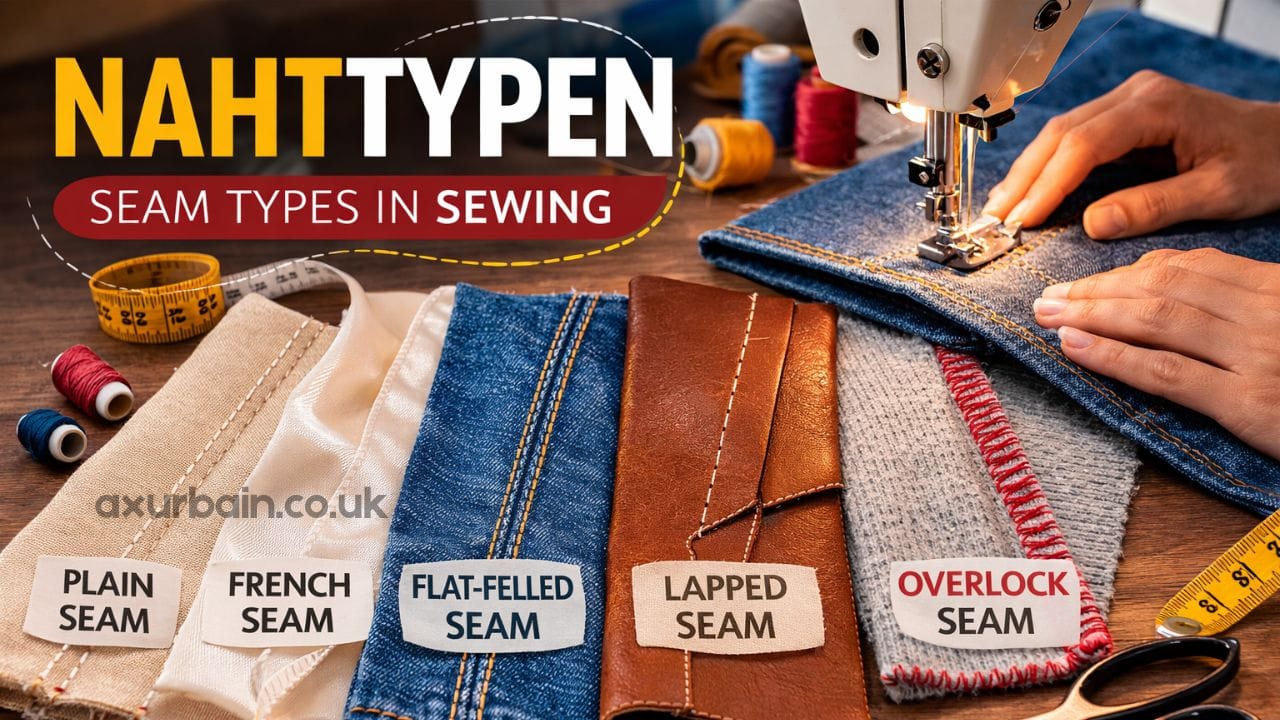
Some of the most commonly used seam types include:
- plain seam
- french seam
- flat-felled seam
- lapped seam
- overlock seam
Each of these nahttypen serves a different purpose depending on the fabric and design of the garment. While some are used mainly for durability, others focus on creating a neat interior finish.
plain seam
The plain seam is the most basic and widely used seam in sewing. It is created by placing two pieces of fabric together with the right sides facing each other and stitching along the edge. Once the seam is sewn, the fabric is opened and the seam allowance is pressed flat. This type of seam is commonly used in shirts, dresses, and lightweight clothing.
Despite its simplicity, the plain seam often requires additional finishing techniques to prevent fraying. Tailors may trim, zigzag stitch, or overlock the edges to strengthen the seam. In many sewing projects, this seam serves as the starting point before more advanced seam finishes are applied. Among all nahttypen, the plain seam is usually the first technique beginners learn.
french seam
The french seam is known for its clean and professional finish. Instead of leaving raw edges exposed, the seam encloses them inside a folded stitch line. This makes it ideal for delicate fabrics such as silk, chiffon, or lightweight cotton. The method involves sewing the seam twice to hide the raw fabric edges completely.
This technique creates a neat interior that looks polished and smooth. Because of this, french seams are often used in high-quality garments where the inside finish matters just as much as the outside appearance. Many dressmakers rely on this style when working with thin materials that fray easily. Among the many nahttypen available, the french seam is one of the most elegant.
flat-felled seam
The flat-felled seam is known for its strength and durability. It is commonly seen in denim clothing, especially jeans. In this seam, the raw edges are folded under and stitched down, creating a double line of stitching that holds the layers firmly together. The finished seam lies flat against the fabric, making it both strong and comfortable.
Because of its durability, this seam is often used in garments designed for heavy use. Workwear, sportswear, and outdoor clothing frequently include this technique. The double stitching distributes stress across the seam and prevents it from tearing. Among all nahttypen, the flat-felled seam is considered one of the strongest.
lapped seam
A lapped seam is created when one piece of fabric overlaps another instead of being joined edge to edge. The overlapping layers are then stitched together to secure them. This seam is often used with materials that are thick or difficult to fold, such as leather, vinyl, or heavy canvas. The overlapping method adds strength without creating bulky folds.
This type of seam is commonly used in accessories and heavy garments. Bags, jackets, and upholstery projects often rely on this construction style. Because the layers overlap, the seam becomes stronger and more resistant to pulling forces. Among practical nahttypen, the lapped seam works especially well for sturdy materials.
overlock seam
The overlock seam is produced using a special sewing machine called a serger. This machine trims the fabric edge and stitches it at the same time, creating a clean and secure finish. Overlock seams are commonly used in modern clothing manufacturing because they prevent fabric edges from fraying. They also allow the seam to stretch slightly, which is important for knit fabrics.
T-shirts, sportswear, and stretchy garments often rely on this seam technique. The stitching wraps around the fabric edge, holding the layers together while maintaining flexibility. Because it is fast and efficient, this seam type is widely used in large-scale clothing production. In the world of industrial nahttypen, the overlock seam is one of the most common.
industrial classification of nahttypen
In the garment industry, seams are grouped into standardized classes. These classifications help manufacturers maintain consistency in clothing production. Instead of referring only to individual seam techniques, factories categorize nahttypen based on how fabric layers are joined and finished. This system makes it easier to design and reproduce garments on a large scale.
The main industrial seam classes include:
- superimposed seams
- lapped seams
- bound seams
- flat seams
- decorative seams
- edge finishing seams
- applied seams
- single ply seams
Each class describes how the fabric pieces interact and how the stitching is applied. Understanding this classification system allows manufacturers to produce garments efficiently while maintaining quality. It also helps designers communicate construction details clearly during production.
how fabric type influences seam choice
Fabric properties play a major role when selecting nahttypen. Lightweight fabrics require gentle seam finishes that avoid adding bulk, while heavy materials need stronger stitching methods. Choosing the wrong seam can cause distortion or damage to the fabric. This is why professional tailors carefully evaluate the characteristics of the material before sewing.
Different fabrics often pair with specific seam types.
- silk and chiffon work well with french seams
- denim often uses flat-felled seams
- knit fabrics benefit from overlock seams
- leather works well with lapped seams
Matching the seam to the fabric ensures the garment remains comfortable and durable. When seam selection is done correctly, the garment keeps its shape and structure even after repeated use.
mistakes to avoid when working with nahttypen
Many beginners focus on stitching quickly instead of choosing the correct seam type. This often leads to weak seams or visible fabric edges inside the garment. Understanding nahttypen helps prevent these common issues and improves overall sewing quality. Paying attention to seam allowance and fabric behavior can make a noticeable difference.
Some mistakes occur frequently when learning seam techniques.
- ignoring fabric thickness before selecting a seam
- using weak seams in areas that experience tension
- skipping seam finishing for fabrics that fray
- choosing decorative seams that reduce durability
Avoiding these problems leads to stronger and more professional results. Even experienced tailors regularly test seam styles before starting a new project.
conclusion
Understanding nahttypen is a key part of garment construction and textile work. Seams may appear small, but they determine how clothing holds together and how comfortable it feels when worn. From simple plain seams to strong flat-felled seams, each technique serves a specific purpose. The correct seam choice depends on fabric type, garment design, and the level of durability required.
For beginners, learning basic nahttypen builds a strong foundation in sewing. For professionals, mastering different seam types allows them to create garments that combine strength, comfort, and visual appeal. Whether sewing at home or producing clothing in a factory, seam selection remains one of the most important decisions in the entire process.
faqs
what does nahttypen mean in sewing
Nahttypen is a German term that means seam types. It refers to the different methods used to join pieces of fabric together in sewing and garment construction.
why are nahttypen important in clothing design
Nahttypen determine the durability, flexibility, and appearance of a garment. Choosing the right seam type helps prevent fabric damage and improves overall garment quality.
which nahttypen are best for beginners
Beginners usually start with simple seam types such as the plain seam and basic overlock seam. These techniques are easy to learn and widely used in everyday sewing projects.
what seam type is used in jeans
Jeans commonly use the flat-felled seam. This seam is strong and durable, making it suitable for heavy fabrics like denim.
how do you choose the right nahttypen for fabric
The best seam type depends on the fabric’s weight, stretch, and purpose. Lightweight fabrics often use french seams, while heavy materials require stronger seam constructions.